Wednesday, June 26, 2019

Oppo shows first under-screen camera in bid to eliminated the hated notch

Ever since the notch was first added to smartphones, everyone in the world except the deeply deluded and my editor have wished it gone. Oppo has done it — or at least shown that it can be done — with a demonstration unit at Mobile World Congress in Shanghai. iPhone users can console themselves that Oppo kind of sounds like Apple.

Oppo and Xiaomi both teased their upcoming under-screen cameras in recent weeks, but it’s one thing to put out a video and quite another to show a working model to the public. And Oppo’s device was unmistakably present in Shanghai.

usc

Unfortunately, if you were hoping that the first device would knock it out of the park… not quite. Eyes-on photos and impressions from Engadget China show that the transparent LCD used to cover the camera assembly is, or can be, noticeably different from its surroundings. Of course the team there was trying to capture it, and from straight on when you’re not looking for it this effect may not be particularly pronounced. But it’s there.

The camera itself, since it loses a lot of incoming light to the LCD layer, has a larger sensor with bigger pixels on it to better capture that light. This suggests a lower resolution for the unit than other front-facing cameras, and obviously shooting through an extra layer will reduce sharpness and increase artifacting. Oppo says it is working on reducing these in software, but there’s only so much you can do. The sample photos don’t look so hot.

It’s not going to set the world on fire, but Oppo’s less visible camera is a step towards a notchless future, and that I can support. No word on when it’ll actually be available for purchase, or in what models — perhaps Xiaomi will take the opportunity to announce its under-screen camera with a few more of the relevant details.


from RSSMix.com Mix ID 8176981 https://techcrunch.com/2019/06/26/oppo-shows-first-under-screen-camera-in-bid-to-eliminated-the-hated-notch/
http://www.gadgetscompared.com
from Tumblr https://ikonografico.tumblr.com/post/185869020131
via http://www.gadgetscompared.com

Verizon gets FCC approval for a 60 day network lockdown on new phones

Verizon (disclosure: the company that owns the company that owns TC) celebrated an FCC victory this week, as the agency approved a request for a temporary network lockdown on new phones.

The carrier request the feature in February as part of a “safety check period.” The ruling presents a kind of temporary waiver on an FCC dating back to 2008. As the agency auctioned off the C block of the 700MHz spectrum to the carrier, it put a ruling in place requiring it to keep unlocked devices open to all compatible carriers.

This year Verizon argued successfully that this presents a security loophole and that a two-month waiting period would effectively help it implement a kind of fraud safety check. The company argued back in February that offering all phones unlocked upon sale has led to theft that impacts customers at a rate of around 7,000 a month.

“As a result of this activity, these customers have to deal with the inconvenience and hassle of identity theft, and Verizon sustains financial losses,” the company wrote. “While we actively work with law enforcement to stop this growing trend, it’s time that we take a stand to protect our customers.”

The FCC agreed. “This limited waiver will not undermine the underlying policy objectives of the handset unlocking rule and will, in fact, better serve the public interest,” the ruling reads. “The locking rule was adopted to enable consumers to migrate from one service provider to another on compatible networks. Allowing handsets to be locked for 60 days will not interfere significantly with this policy objective.”

Verizon says the waiting period is set to go into effect “very soon.”


from RSSMix.com Mix ID 8176981 https://techcrunch.com/2019/06/26/verizon-gets-fcc-approval-for-a-60-day-network-lockdown-on-new-phones/
http://www.gadgetscompared.com
from Tumblr https://ikonografico.tumblr.com/post/185869019821
via http://www.gadgetscompared.com

Facebook squeezes money from Instagram with new ads in Explore

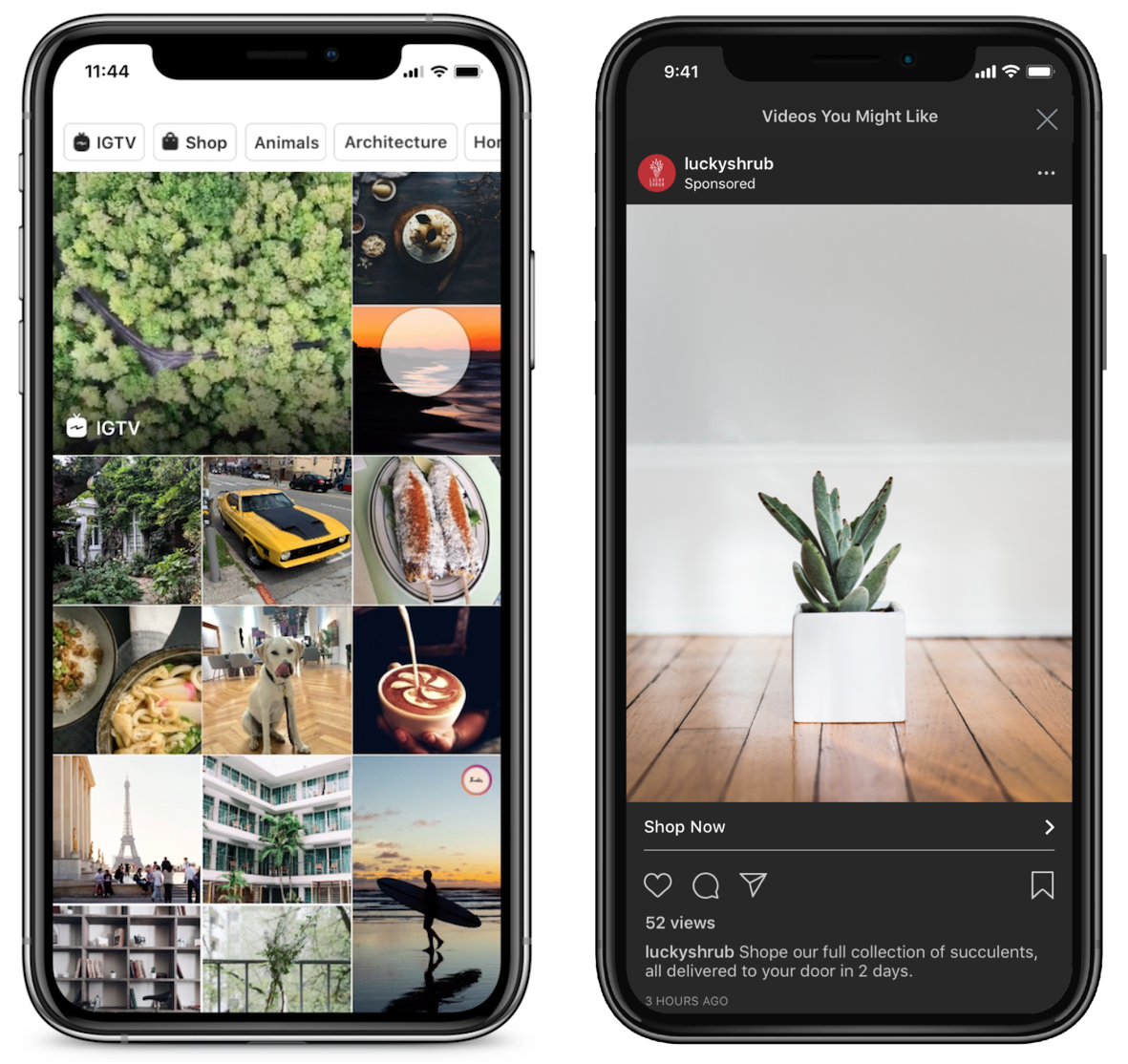
Half of Instagram’s billion-plus users open its Explore tab each month to find fresh content and creators. Now the Facebook-owned app will do more to carry its weight by injecting ads into Instagram Explore for the first time. But rather than bombard users with marketing right on the Explore grid, Instagram will instead only show ads after users tap into a post and then start scrolling through similar imagery.

The move feels like a respectful way to monetize Explore without annoying users too much or breaking the high visual quality of the space. Instagram’s director of business product marketing Susan Bucker Rose tells me she believes the ads will feel natural because users already come to Explore “in the mindset of discovery. They want to be exposed to new accounts, people, and brands.”

Instagram Ads In Explore Tab

Instagram will test the ad slots itself at first to promote its ailing IGTV feature before they “launch to a handful of brands over the coming weeks” Rose says. That includes both big name corporations and smaller advertisers looking to drive conversions, video views, or reach. Instagram hopes to roll the ad format out broadly in the next few months.

Advertisers will buy the slots through the same Facebook ads manager and API they use to buy Instagram feed and Stories space. At first advertisers will have to opt in to placing their ads in Instagram Explore too, but eventually that will be the default with an opportunity to opt out.

Here’s how ads work in Instagram Explore. When you open the tab it will look the same as always with a scrollable grid of posts with high engagement that are personalized based on your interests. When you tap into a photo or video, you’ll first see that full-screen. But if you keep scrolling down, Instagram will show you a contextual feed of content similar to the original post where it will insert photo and video ads. And if you tap into one of the themed video channels and then keep scrolling after watching the clip to check out more videos in the same vein, you may see Instagram video ads.

Instagram describes the introduction as “slowly and thoughtfully” — which makes it sound like the volume of ads will ramp up over time.

Explore was first launched in 2012, some two years after Instagram itself, as a merger of the app’s search and “popular” tabs, with an aim of using algorithms that were informed by your existing interests to give you a new way to discover new people and themes to follow in the app beyond those you might pick up by way of you own social circles. It’s had a few revamps, such as the addition of topical channels and hashtags, and the addition of Stories, the format that has proven to be such a hit on Instagram itself. There won’t be any ads in Stories that recently started appearing in Explore.

But interestingly, through all of that, Instagram stayed hands-off when it came to advertising and Explore. The idea is that the content that each person sees in Explore is individualized, with algorithms detecting the kinds of things you like to show you photos, videos and subjects you might most want to see. Apparently Instagram didn’t want to deter browsing of this content.

On the other side of the coin, this has meant that up to now, individuals and brands have not been able to proactively request or pay to be in anyone’s specific Explore tab — although that doesn’t mean that people don’t game this situation (just Google “how to get on Instagram Explore” and you will find many how-to’s to show you the way).

Instagram Explore Ads

The move to bring ads into the Explore experience has some logic to it. Even before monetization made its way to Instagram in the form of feed advertising, shoppable links and sponsored content posted by influencers, brands and businesses had started using the platform to promote products and to connect with customers. Instagram says that today, 80 percent of its users follow at least one business on Instagram. Now instead of trying desperately to game the Explore algorithm, Instagram can just sell businesses space instead.

With Facebook’s News Feed usage in danger as attention shifts to Stories that it’s still learning to monetize, the company is leaning more on Instagram to keep revenue growing. But Instagram must be sure not to suffocate the golden goose with too many ads.


from RSSMix.com Mix ID 8176981 https://techcrunch.com/2019/06/26/instagram-explore-ad/
http://www.gadgetscompared.com
from Tumblr https://ikonografico.tumblr.com/post/185865605646
via http://www.gadgetscompared.com

300M-user meme site Imgur raises $20M from Coil to pay creators

Meme creators have never gotten their fair share. Remixed and reshared across the web, their jokes props up social networks like Instagram and Twitter that pay back none of their ad revenue to artists and comedians. But 300 million monthly user meme and storytelling app Imgur wants to pioneer a way to pay creators per second people view their content.

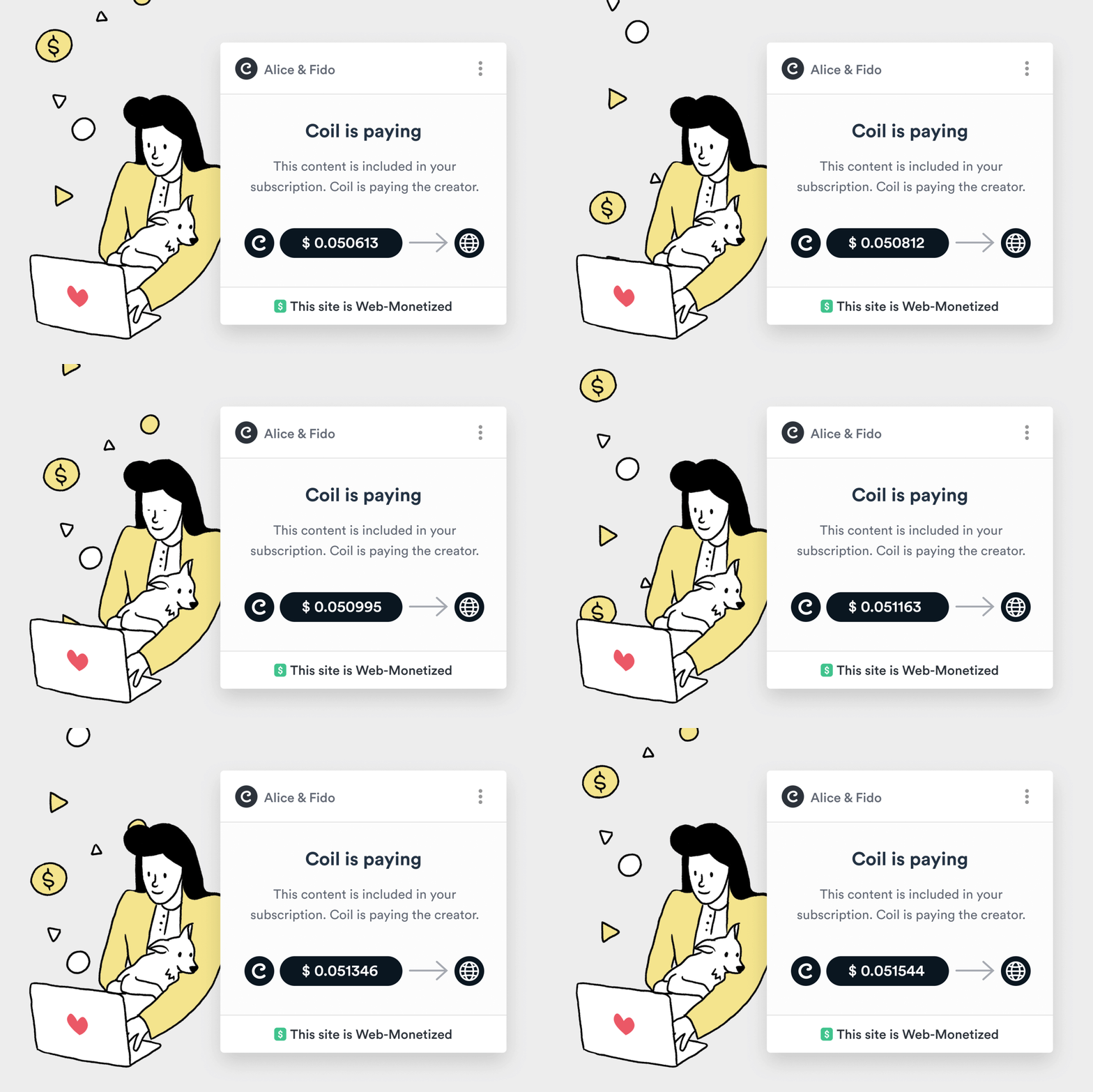
Today Imgur announces that it’s raised a $20 million venture equity round from Coil, a micropayment tool for creators that Imgur has agreed to build into its service. Imgur will eventually launch a premium membership with bonus features and content with access reserved for Coil subscribers. Users pay Coil a fixed monthly fee, install its browser extension, the Ripple XRP cryptocurrency is used to route assets around, and then Coil pays creators per second the subscriber spends consuming their content at a rate of 36 cents per hour. Imgur and Coil will earn a cut too, diversifying the meme network’s revenue beyond ads.

Imgur

“Imgur began in 2009 as a gift to the internet. Over the last 10 years we’ve built one of the largest, most positive online communities, based on our core value to ‘give more than we take’” says Alan Schaaf, founder and CEO of Imgur. The startup bootstrapped for its first five years before raising a $40 million Series A from Andreessen Horowitz and Reddit. It’s grown into the premier place to browse ‘meme dumps’ of 50+ funny images and GIFs, as well as art, science, and inspirational tales.

While the new round brings in fewer dollars, Schaaf explains that Imgur raised a valuation that “higher than last time. Our investors are happy with the valuation. This is a really exciting strategic partnership.” Coil founder and CEO Stefan Thomas who was formerly the CTO of cryptocurrency company Ripple Labs will join Imgur’s board. Coil received the money it’s investing in Imgur from Ripple Labs’ Xpring Initiative, which aims to fund proliferation of the Ripple XRP ecosystem, though Imgur received US dollars in the funding deal.

Thomas tells me that “There’s no built in business model” as part of the web. Businesses “either make money with ads or with subscriptions. The problem is that only works when you have huge scale” that can bring about societal problems as we’ve seen with Facebook. Coil will “hopefully offer a third potential business model for the internet and offer a way for creators to get paid.”

Coil Micropayments

Founded last year, Coil’s $5 per month subscription is now in open beta, and it provides extensions for Chrome and Firefox as it tries to get baked into browsers natively. Unlike Patreon where you pick a few creators and choose how much to pay each every month, Coil just lets you browse content from as many creators as you want and it pays them appropriately. Sites like Imgur can code in tags to their pages that tell Coil’s Web Monetization API who to send money to.

The challenge for Imgur will be avoiding the cannibalization of its existing content to the detriment of its non-paying users who’ve always known it to be free. “We’re in the business of making the internet better. We do not plan on taking anything away for the community” Schaaf insists. That means it will have to recruit new creators and add bonus features that are exclusive to Coil subscribers without making the rest of its 300 million users feel deprived.

It’s surprising the meme culture hasn’t spawned more dedicated apps. Decade-old Imgur precedes the explosion in popularity of bite-sized internet content. But rather than just host memes like Instagram, Imgur has built its own meme creation tools. If Imgur and Coil can prove users are willing to pay for quick hits of entertainment and creators can be fairly compensated, they could inspire more apps to help content makers turn their passion into a profession…or at least a nice side hustle.


from RSSMix.com Mix ID 8176981 https://techcrunch.com/2019/06/26/imgur-premium/
http://www.gadgetscompared.com
from Tumblr https://ikonografico.tumblr.com/post/185864400736
via http://www.gadgetscompared.com

India’s Unacademy raises $50 million to grow its online learning platform

Big money continues to flow in India’s growing education market. Bangalore-based Unacademy, which operates an online learning platform to help millions prepare for competitive exams in India, has raised $50 million to further scale its reach.

The Series B financing round was led by Steadview Capital, Sequoia India, Nexus Venture Partners and Blume Ventures, with Unacademy’s own co-founders Gaurav Munjal and Roman Saini also participating in it. The new round means the startup has raised close to $90 million to date.

The four-year-old startup is aimed at students who are preparing for competitive exams to get into a college and those who are pursuing graduation level courses. Unacademy allows students to watch live classes from educators and then engage with the team in any questions they may have. It has 10,000 registered educators and 13 million learners — up from 3 million a year ago.

The startup said it will use the new fund to expand the number of educators it has on the platform, and also add more exam courses. It will also improve its product and expand the team.

Unacademy began its journey as a YouTube channel, but has since expanded to its own app where it offers some courses for free and others through a recently launched subscription business. The subscription service — called Unacademy Plus Subscription — has 50,000 users.

Unacademy also maintains an archive of all the classes, giving students the option to reference to older lectures at any time through the app. The startup says YouTube is still its largest distribution channel. Overall, the platform sees more than 100 million monthly views across the platforms.

“We are seeing unprecedented growth and engagement from learners in smaller towns and cities, and are also very humbled to see that top-quality educators are choosing Unacademy as their primary platform to reach out to students. In the last few months, we have taken bigger strides toward achieving this mission. We have more than 400 top educators from across the country taking live classes every day on Unacademy Plus. This is available to every student, irrespective of their location,” Gaurav Munjal, a founder and CEO of Unacademy said in a statement.

Unacademy competes with unicorn Byju’s, which is widely believed to be the biggest edtech startup in the world with its valuation nearing $4 billion. Unlike Unacademy, Byju’s, which has more than 2.4 million paid subscribers, covers primary school and high school courses as well in addition to competitive under graduation level courses.

In recent months, Unacademy has grown more aggressive with marketing. Last year it tied up with web producing house The Viral Fever to fund a show called “Kota Factory”, which revolves around the lives of students who are preparing to go to an engineering college. In the midst of it, Unacademy also offered low-cost, discounted subscription plans to attract users to its subscription platform.

Unacademy has presence in Indonesia as well, where as of last year, it had about 30 educators. The startup did not offer an update on how its international ambitions are holding up. A representative of Unacademy told TechCrunch recently that the platform does not rely on ads for monetization.


from RSSMix.com Mix ID 8176981 https://techcrunch.com/2019/06/26/india-unacademy-seriesd/
http://www.gadgetscompared.com
from Tumblr https://ikonografico.tumblr.com/post/185860061831
via http://www.gadgetscompared.com

UK law review eyes abusive trends like deepfaked porn and cyber flashing

The UK government has announced the next phase of a review of the law around the making and sharing of non-consensual intimate images, with ministers saying they want to ensure it keeps pace with evolving digital tech trends.

The review is being initiated in response to concerns that abusive and offensive communications are on the rise, as a result of it becoming easier to create and distribute sexual images of people online without their permission.

Among the issues the Law Commission will consider are so-called ‘revenge porn’, where intimate images of a person are shared without their consent; deepfaked porn, which refers to superimposing a real photograph of a person’s face onto a pornographic image or video without their consent; and cyber flashing, the unpleasant practice of sending unsolicited sexual images to a person’s phone by exploiting technologies such as Bluetooth that allow for proximity-based file sharing.

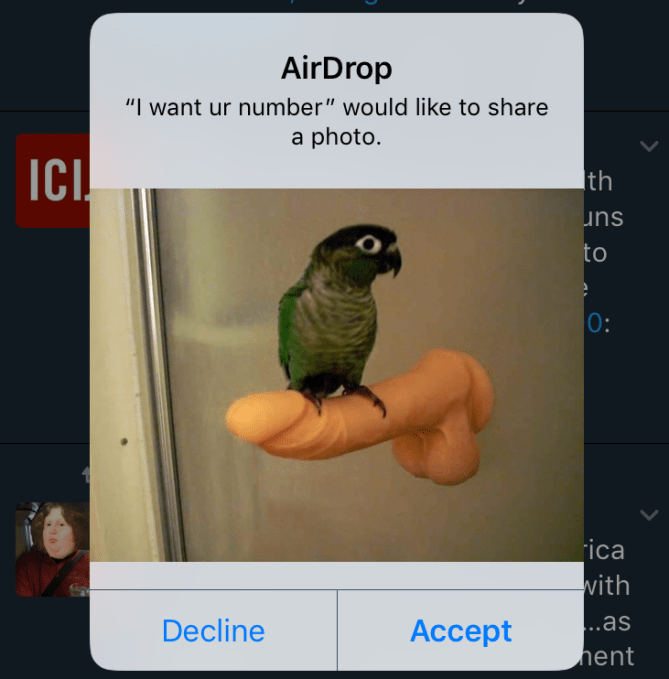
On the latter practice, the screengrab below is of one of two unsolicited messages I received as pop-ups on my phone in the space of a few seconds while waiting at a UK airport gate — and before I’d had a chance to locate the iOS master setting that actually nixes Bluetooth.

On iOS, even without accepting the AirDrop the cyberflasher is still able to send an unsolicited placeholder image with their request.

Safe to say, this example is at the tamer end of what tends to be involved. More often it’s actual dick pics fired at people’s phones, not a parrot-friendly silicone substitute…
cyber flashing

A patchwork of UK laws already covers at least some of the offensive and abusive communications in question, such as the offence of voyeurism under the Sexual Offences Act 2003, which criminalises certain non-consensual photography taken for sexual gratification — and carries a two-year maximum prison sentence (with the possibility that a perpetrator may be required to be listed on the sexual offender register); while revenge porn was made a criminal offence under section 33 of the Criminal Justice and Courts Act 2015.

But the government says that while it feels the law in this area is “robust”, it is keen not to be seen as complacent — hence continuing to keep it under review.

It will also hold a public consultation to help assess whether changes in the law are required.

The Law Commission published Phase 1 of their review of Abusive and Offensive Online Communications on November 1 last year — a scoping report setting out the current criminal law which applies.

The second phase, announced today, will consider the non-consensual taking and sharing of intimate images specifically — and look at possible recommendations for reform. Though it will not report for two years so any changes to the law are likely to take several years to make it onto the statute books.

Among specific issues the Law Commission will consider is whether anonymity should automatically be granted to victims of revenge porn.

Commenting in a statement, justice minister Paul Maynard said: “No one should have to suffer the immense distress of having intimate images taken or shared without consent. We are acting to make sure our laws keep pace with emerging technology and trends in these disturbing and humiliating crimes.”

Maynard added that the review builds on recent changes to toughen UK laws around revenge porn and to outlaw ‘upskirting’ in English law; aka the degrading practice of taking intimate photographs of others without consent.

“Too many young people are falling victim to co-ordinated abuse online or the trauma of having their private sexual images shared. That’s not the online world I want our children to grow up in,” added the secretary of state for digital issues, Jeremy Wright, in another supporting statement.

“We’ve already set out world-leading plans to put a new duty of care on online platforms towards their users, overseen by an independent regulator with teeth. This Review will ensure that the current law is fit for purpose as we deliver our commitment to make the UK the safest place to be online.”

The Law Commission review will begin on July 1, 2019 and report back to the government in summer 2021.

Terms of Reference will be published on the Law Commission’s website in due course.


from RSSMix.com Mix ID 8176981 https://techcrunch.com/2019/06/26/uk-law-review-eyes-abusive-trends-like-deepfaked-porn-and-cyber-flashing/
http://www.gadgetscompared.com
from Tumblr https://ikonografico.tumblr.com/post/185860061766
via http://www.gadgetscompared.com

Tuesday, June 25, 2019

Facebook may finally let you turn off those annoying notification dots

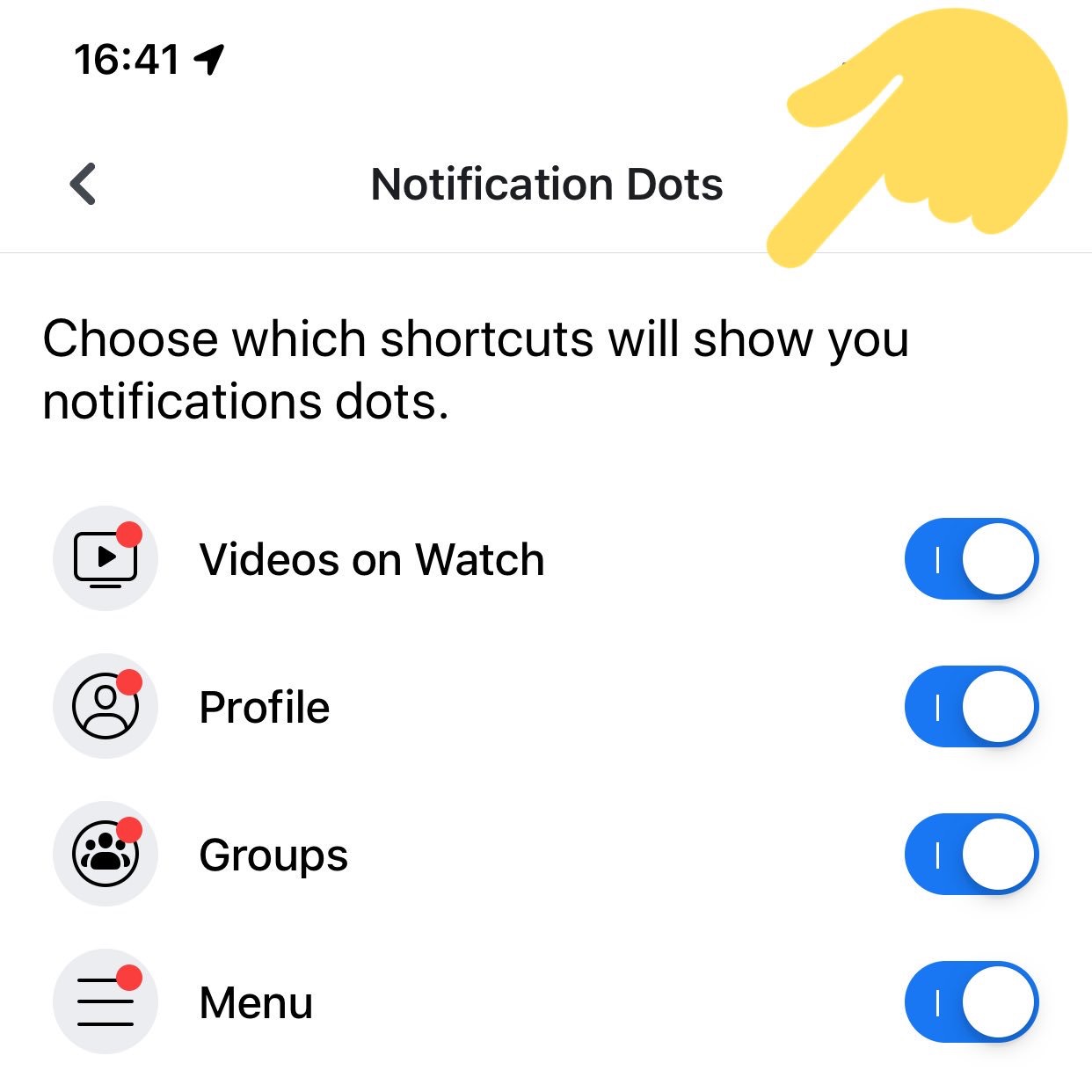
Sick of those anxiety-inducing red dots constantly appearing on the Groups, Watch, or other tabs in your Facebook app? Well the social network may be easing up a little in its unending war for your attention. Facebook is now testing a toggle to turn off the red in-app notification dots on its homescreen. Until now you had to manually open each of Facebook’s features to extinguishing the maddening flame of the notification badge. This could make Facebook feel more tranquil, and keep you focused on whatever you actually opened the app to do.

“It’s related to the work we’re doing with the well-being team. We’re thinking about how people spend their time in the app and making sure that it’s time well spent” a Facebook spokesperson tells me. Many people can’t feel settled if there are red dots begging to be tapped — a psychological quirk Facebook takes advantage of. The company seems to be realizing that its growth hacking can backfire if its pleas for engagement actually deter us from opening its app in the first place.Turn Off Facebook Notification Dots

The Facebook Notification Dots setting was first spotted in its prototype form by reverse engineering specialist Jane Manchun Wong, hidden in the Android app’s code earlier this summer. Today, social media consultant Matt Navarra noticed the feature being publicly tested. Facebook now confirms to TechCrunch that this is a new global test that started recently on iOS and Android for a subset of users. “We are testing new ways to give people more control over the notifications they receive in the Facebook app” a spokesperson tells me.

Facebook plans to continue offering additional ways to personalize notifications so you don’t miss what’s important but aren’t drowned in noise. “People don’t necessarily want to see a notification on the badge [the in-app dots on tabs] if they’re already getting notifications in the jewel [the red counter on the Facebook app icon on your phone’s homescreen]” the spokesperson tells me. It considered a snooze option but went with an on/off switch that’s the least confusion. The Notification dots feature is likely to roll out to everyone unless it suddenly proves to decimate Facebook usage.

Facebook Notification Dots

How To Turn Off Facebook Notification Dots

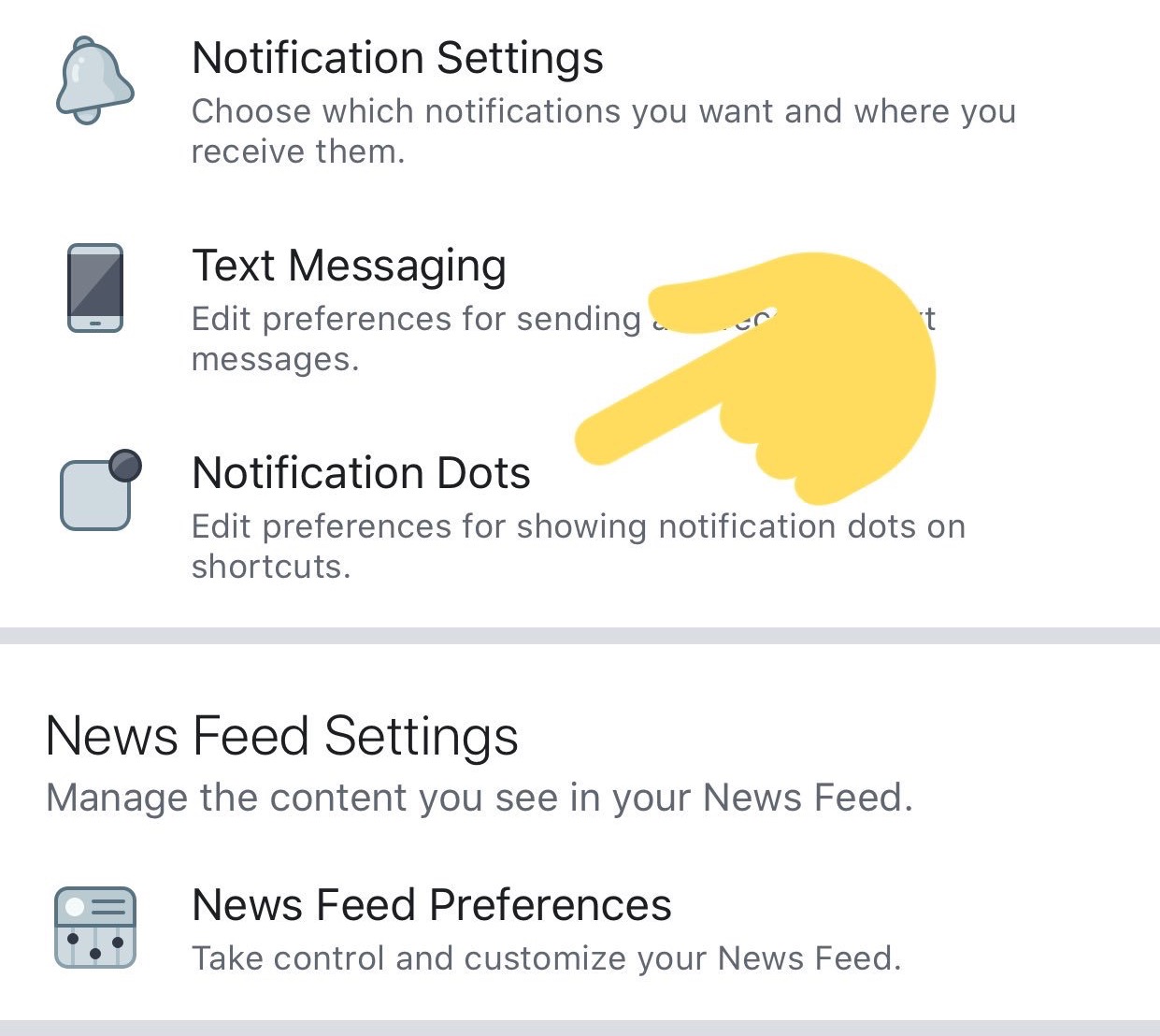
If you have access to this feature test, you’ll find the option in your Facebook app under the three-lined More/Menu tab -> Settings & Privacy -> Settings -> Notifications -> Notification Dots. There you can “Choose which shortcuts will show you notifications dots” with options for “Videos On Watch”, “Profile”, “Groups”, “Menu”.

One tab/shortcut where you can’t disable the dots is Notifications, which actually makes sense since that’s the main way the app alerts you to activity around your profile and content. But since you already get a heads-up about new Groups posts or when you’re tagged in a photo there, the notification dots on the other tabs are just redundant and distracting.

Facebook notification settings

If you want to control which activities trigger alerts in your Notifications tab, you can go to More/Menu tab -> Settings & Privacy -> Settings -> Notifications -> Notification Settings -> Mobile. There you can see a list of your recent notifications and turn off ones like it in case you’re sick of hearing about friends starting fundraisers, reminders about upcoming events, or comments after yours on a Group post. The Notification Settings page also lets you turn off sound for Facebook notifications, axe them from specific groups or other apps, turn down the frequency of On This Day alerts, and choose what notifications get bumped up to email or text message.

Confusingly, there’s also a totally separate menu that’s accessible from the Notifications tab’s settings gear icon. There you can temporarily or permanently mute push notifications and choose where you receive each type. Obviously there should be a link between these two different spaces. A great next step for Facebook would be allowing user to batch notifications, Instead of either being constantly pestered or totally in the dark, it could let users opt for an occasional digest of notifications, like once per day or when they get to 10 alerts.

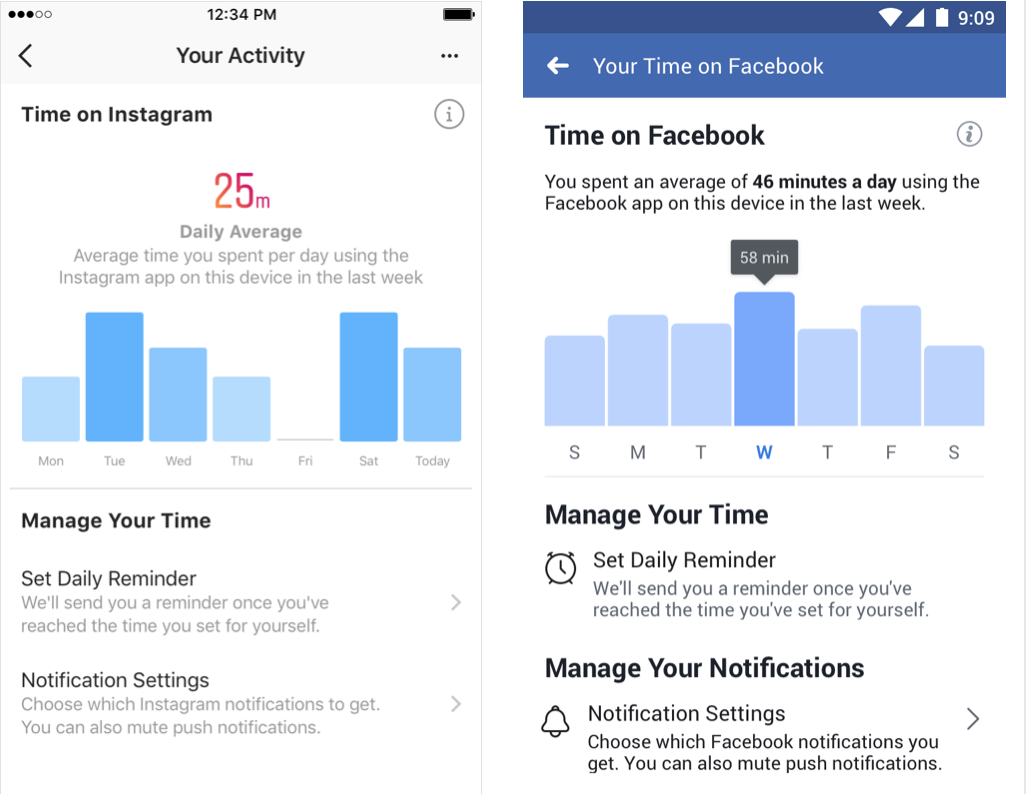
Facebook and Instagram Your Activity Counter

A year ago Facebook trumpeted how it launched a Time Well Spent dashboard in its app and Instagram for showing how long per day you use the apps with an option to set a reminder to stop after enough minutes. But buried inside Menu -> Settings & Privacy -> Your Time on Facebook, the toothless feature we’d previously scooped isn’t doing much good. If Facebook wants to be a principled citizen of our devices, it shouldn’t be so hard to say when we do or don’t want to be nagged for attention.


from RSSMix.com Mix ID 8176981 https://techcrunch.com/2019/06/25/facebook-may-finally-let-you-turn-off-those-annoying-notification-dots/
http://www.gadgetscompared.com
from Tumblr https://ikonografico.tumblr.com/post/185849338981
via http://www.gadgetscompared.com