Wednesday, June 10, 2020

You can now install the first beta of Android 11

After a series of developer previews, Google today released the first beta of Android 11 and with that, it is also making these pre-release versions available for over-the-air updates. This time around, the list of supported devices only includes the Pixel 2, 3, 3a and 4.

If you’re brave enough to try this early version (and I wouldn’t do so on your daily driver until a few more people have tested it), you can now enroll here. Like always, Google is also making OS images available for download and an updated emulator is available, too.

Google says the beta focuses on three key themes: people, controls and privacy.

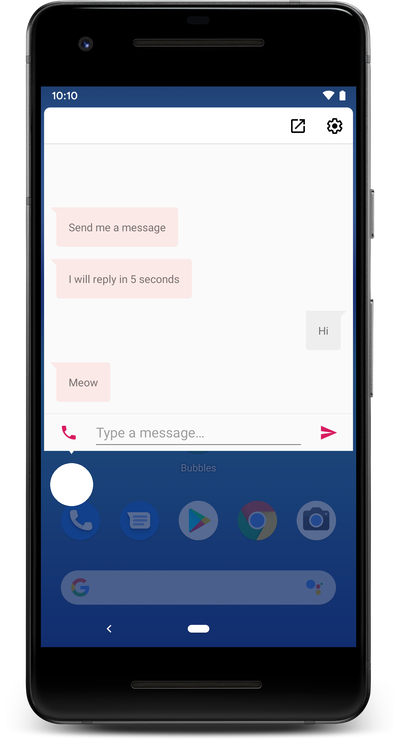
Like in previous updates, Google once again worked on improving notifications — in this case, conversation notifications, which now appear in a dedicated section at the top of the pull-down shade. From there, you will be able to take actions right from inside the notification or ask the OS to remind you of this conversation at a later time. Also new is built-in support in the notification system for what are essentially chat bubbles, which messaging apps can now use to notify you even as you are working (or playing) in another app.

Another new feature is consolidated keyboard suggestions. With these, Autofill apps and Input Method Editors (think password managers and third-party keyboards), can now securely offer context-specific entries in the suggestion strip. Until now, enabling autofill for a password manager, for example, often involved delving into multiple settings and the whole experienced often felt like a bit of a hack.

For those users who rely on voice to control their phones, Android now uses a new on-device system that aims to understand what is on the screen and then automatically generates labels and access points for voice commands.

As for controls, Google is now letting you long-press the power button to bring up controls for your smart home devices (though companies that want to appear in this new menu need to make use of Google’s new API for this). In one of the next beta releases, Google will also enable media controls that will make it easier to switch the output device for their audio and video content.

In terms of privacy, Google is adding one-time permissions so that an app only gets access to your microphone, camera or location once, as well as auto-resets for permissions when you haven’t used an app for a while.

A few months ago, Google said that developers would need to get a user’s approval to access background location. That caused a bit of a stir among developers and now Google will keep its current policies in place until 2021 to give developers more time to update their apps.

In addition to these user-facing features, Google is also launching a series of updates aimed at Android developers. You can read more about them here.


from RSSMix.com Mix ID 8176981 https://techcrunch.com/2020/06/10/you-can-now-install-the-first-beta-of-android-11/
http://www.gadgetscompared.com
from Tumblr https://ikonografico.tumblr.com/post/620575217612455936
via http://www.gadgetscompared.com

Huawei’s new handset goes international June 25, with all of the camera and none of the Google

The Huawei P40 Pro+ has already been on the market in China for a few days now. And in spite of various legal woes, the handset is set for international available on June 25. Given…everything the company is dealing with, it should come as no surprise that availablity outside of its home country will be fairly limited to select markets, including the U.K. and Europe.

It won’t be available through the standard channels in the U.S., naturally. And what’s more, it won’t have any Google services, in light of the hardware maker’s on-going fight with the United States government. Instead — like other Huawei flagships — it will rely on the company’s own forked version of Android, devoid of mainstay applications like Gmail, Google Maps and the Play Store.

For most other intents and purposes, however, Huawei is down, but not out. In spite of tremendous pressure, the company continues to produce some of the the most bleeding edge mobile hardware on the market. Here that primarily comes down to a fantastic camera module. Like nearly every other part of the smartphone ecosystem, it’s increasingly difficult to stand out from the pack with regard to imaging, but by most accounts, Huawei has managed to do it with the P40 Pro+.

For starters, there’s a 10x (!) optical zoom (with up to 100x digital and all of the image issues that brings), which very much pushes the boundaries of what a handset can do. There are five cameras, in total, including that eight-megapixel 10x lens. The others include a 50-megapixel standard, 40-megapixel ultra wide, eight-megapixel with 3x optical and a time-of-flight sensor for increasingly important depth-sensing.

[gallery ids=“2000624,2000625,2000626,2000627,2000628,2000629,2000630,2000631”]

The handset will run ~$1,658 when it launches later this month. It’s the latest sign that Huawei will continue pushing forward, even as it deals with increasing international pressure. Until the company manages to fully replace Google’s offerings in house, however, the current set up will likely be too much of a compromise for many potential buyers.


from RSSMix.com Mix ID 8176981 https://techcrunch.com/2020/06/10/huaweis-new-handset-goes-international-june-25-with-all-of-the-camera-and-none-of-the-google/
http://www.gadgetscompared.com
from Tumblr https://ikonografico.tumblr.com/post/620563902163533824
via http://www.gadgetscompared.com

Tuesday, June 9, 2020

Robocallers face $225M fine from FCC and lawsuits from multiple states

Two men embodying the zenith of human villainy have admitted to making approximately a billion robocalls in the first few months of 2019 alone, and now face an FCC fine of $225 million and a lawsuit from multiple attorneys general that could amount to as much or more — not that they’ll actually end up paying that.

John Spiller and Jakob Mears, Texans of ill repute, are accused of (and have confessed to) forming a pair of companies to make millions of robocalls a day with the aim of selling health insurance from their shady clients.

The operation not only ignored the national Do Not Call registry, but targeted it specifically, as it was “more profitable to target these consumers.” Numbers were spoofed, making further mischief as angry people called back to find bewildered strangers on the other end of the line.

These calls amounted to billions over two years, and were eventually exposed by the FCC, the offices of several attorneys general and industry anti-fraud associations.

Now the pair have been slapped with a $225 million proposed fine, the largest in the FCC’s history. The lawsuit involves multiple states and varying statutory damages per offense, and even a conservative estimate of the amounts could exceed that number.

Unfortunately, as we’ve seen before, the fines seem to have little correlation with the amounts actually paid. The FCC and FTC do not have the authority to enforce the collection of these fines, leaving that to the Department of Justice. And even should the DoJ attempt to collect the money, they can’t get more than the defendants have.

For instance, last year the FTC fined one robocaller $5 million, but he ended up paying $18,332 and the market price of his Mercedes. Unsurprisingly, these individuals performing white-collar crimes are no strangers to methods to avoid punishment for them. Disposing of cash assets before the feds come knocking on your door is just part of the game.

In this case the situation is potentially even more dire: the DoJ isn’t even involved. As FCC Commissioner Jessica Rosenworcel put it in a statement accompanying the agency’s announcement:

There’s something missing in this all-hands effort. That’s the Department of Justice. They aren’t a part of taking on this fraud. Why not? What signals does their refusal to be involved send?

Here’s the signal I see. Over the last several years the FCC has levied hundreds of millions in fines against robocallers just like the folks we have here today. But so far collections on these eye-popping fines have netted next to nothing. In fact, it was last year that The Wall Street Journal did the math and found that we had collected no more than $6,790 on hundreds of millions in fines. Why? Well, one reason is that the FCC looks to the Department of Justice to collect on the agency’s fines against robocallers. We need them to help. So when they don’t get involved—as here—that’s not a good sign.

While the FCC’s fine and the lawsuit will certainly put these robocallers out of business and place further barriers to their conducting more scam operations, they’re not really going to be liable for nine figures, because they’re not billionaires.

It’s good that the fines are large enough to bankrupt operations like these, but as Rosenworcel put it back in 2018 when another enormous fine was levied against a robocaller, “it’s like emptying the ocean with a teaspoon.” While the FCC and states were going after a pair of ne’er-do-wells, a dozen more have likely popped up to fill the space.

Industry-wide measures to curb robocalls have been underway for years now, but only recently have been mandated by the FCC after repeated warnings and delays. Expect the new anti-fraud frameworks to take effect over the next year.


from RSSMix.com Mix ID 8176981 https://techcrunch.com/2020/06/09/robocallers-face-225m-fine-from-fcc-and-lawsuits-from-multiple-states/
http://www.gadgetscompared.com
from Tumblr https://ikonografico.tumblr.com/post/620499729236754432
via http://www.gadgetscompared.com

Monday, June 8, 2020

Challenger bank Bnext revamps rewards for purchases in partner stores

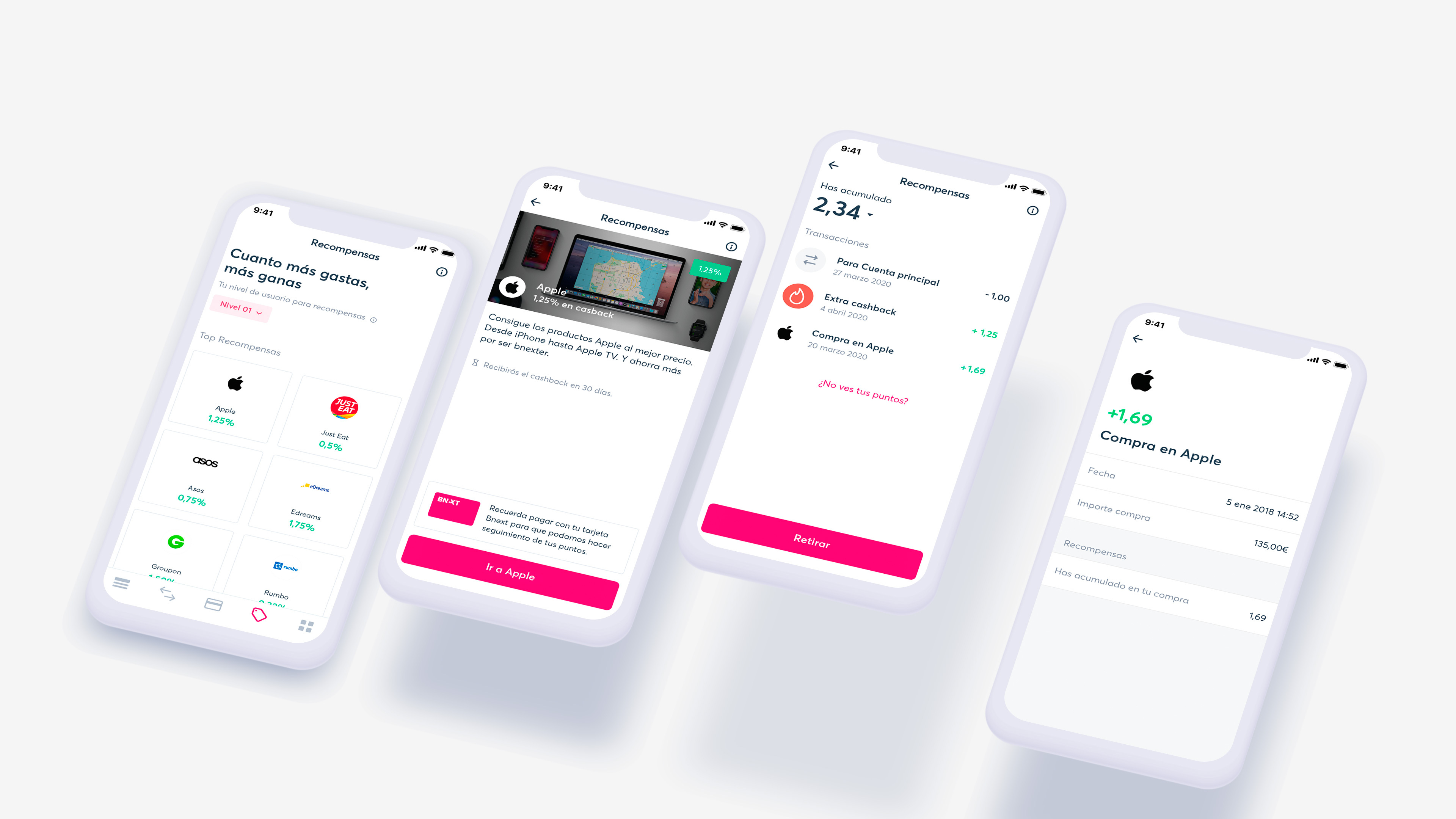
Spanish startup Bnext is revamping its cashback program so that you can buy from partner stores directly from the Bnext app and get some money back. The company has partnered with Button and the feature is available as an open beta.

Traditional cashback portals are a bit clunky. When you find an offer that gives you 2% of your money back, you click on the offer, get redirected to the partner site and hope that your purchase will be registered. A bit later, you get some money back on the cashback website, which you need to cash out to your bank account.

If you’re using Bnext as your bank account, you’ll be able to access rewards directly from your banking app. In addition to that, you don’t get redirected to another site as you purchase goods directly from the Bnext app.

There are multiple levels. If you’re making your first purchase through the feature, you get 1% in savings on average. If you’ve made more than three purchases over the past 30 days, you get 3% in savings on average. In order to reach level 3, you need a premium Bnext subscription. With that level, you get 5% in savings on average.

Partners include AliExpress, Booking.com, eDreams, Europcar, Nike, Just Eat and more. Eventually, the startup wants to let you earn rewards from in-store purchases as well. Bnext is creating a new revenue stream with this feature as the startup will keep a share of the revenue from each transaction.

Bnext provides current accounts and payment cards. You can receive notifications for each transaction with your card, and temporarily lock and unlock your card. You don’t pay any foreign transaction fee as long as you spend less than €2,000 per month with a standard account.

The company has also put together a marketplace of fintech products. You can earn interest by lending money to small companies on October, get a loan, an insurance product and more.

Earlier this year, the startup expanded to Mexico. The company plans to roll out rewards in Mexico soon. Bnext has managed to attract a bit less than 400,000 users.


from RSSMix.com Mix ID 8176981 https://techcrunch.com/2020/06/08/challenger-bank-bnext-revamps-rewards-for-purchases-in-partner-stores/
http://www.gadgetscompared.com
from Tumblr https://ikonografico.tumblr.com/post/620360057154158592
via http://www.gadgetscompared.com

Saturday, June 6, 2020

This Week in Apps: Protests impact app stores, FTC fines app developer, kids’ app trends

Welcome back to This Week in Apps, the Extra Crunch series that recaps the latest OS news, the applications they support and the money that flows through it all.

The app industry is as hot as ever, with a record 204 billion downloads and $120 billion in consumer spending in 2019. People are now spending three hours and 40 minutes per day using apps, rivaling TV. Apps aren’t just a way to pass idle hours — they’re a big business. In 2019, mobile-first companies had a combined $544 billion valuation, 6.5x higher than those without a mobile focus.

In this Extra Crunch series, we help you keep up with the latest news from the world of apps, delivered on a weekly basis.

This week, we’re taking a look at how the civil unrest and George Floyd protests played out across the app stores. The events led some apps — including private messaging apps, police scanners and alerting apps, and other social communication apps — to surge, and even break records. Google decided to delay the launch of Android 11 beta 1 in light of the recent events.

We’re also keeping up with COVID-19 apps and how the pandemic is changing app usage and consumer behavior. Plus, the FTC fined an app developer over privacy violations in a warning shot for the app industry; Zoom faced criticism for its encryption plans; Apple launched an open-source resource for password managers; and more.

How the George Floyd protests impacted the app stores

Protests drive downloads of police scanners 

Downloads of police scanner apps, tools for private communication and mobile safety apps hit record numbers last weekend in the U.S., amid the nationwide protests over the police killing of George Floyd, as well as the systemic problems of racial prejudice that plague the American justice system. According to data from app store intelligence firm Apptopia, top U.S. police scanner apps were downloaded a combined 213,000 times last weekend, including Friday — a 125% increase from the weekend prior and a record number for this group of apps.

The group of top apps included those with similar, if somewhat generic, titles, such as Scanner Radio – Fire and Police Scanner, Police Scanner, 5-0 Radio Police Scanner, Police Scanner Radio & Fire and Police Scanner +.

Citizen, Signal and others spike during protests

In addition to tracking police movements with scanners, protestors organized and communicated on secure messaging app Signal. Meanwhile, community safety app Citizen, which sends out police alerts, also saw a jump in usage.

According to Apptopia, Citizen and Signal both set daily download records, Vox noted earlier this week.

Citizen

Citizen’s app lets users see “incidents,” based on radio communications with 911 dispatchers, police, fire departments and other emergency responders. The app uses high-powered scanners to tune into public radio channels, then digitizes and transcribes the audio, and turns those into incidents placed on the map. But the app is popular because it’s more than a police scanner; it includes a social networking layer where users can react and comment. 

Based on more recent data provided to TechCrunch by Sensor Tower, Citizen was installed around 620,000 times by first-time users in the U.S. during the past week, an increase of about 916% compared to the week prior. First-time installs reached a record 150,000 on June 2, nearly 12x the app’s average of 13,000 daily first-time installs during May. On average, the app was downloaded close to 86,000 times per day, or 6.6x larger than May’s daily average. The app grew to be as high as No. 4 on Tuesday, June 2 on the U.S. App Store, and is now No. 32 Overall on the top free charts.

Signal
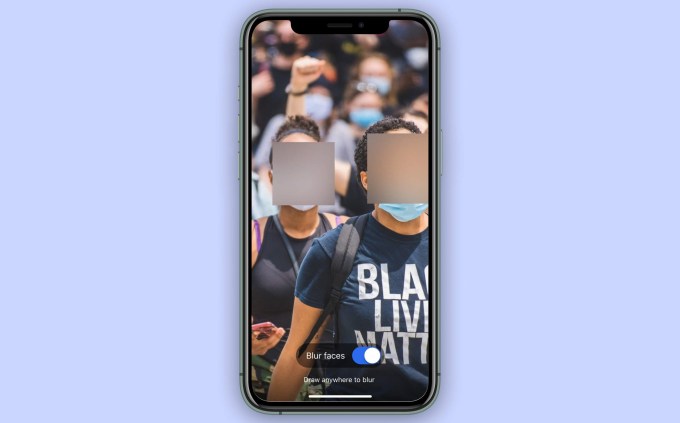
Image Credits: Signal

The firm also estimated that Signal had been installed by approximately 135,000 first-time users in the U.S. during the past week across the app stores. This figure represented growth of 165% from the preceding seven days, or about 2.6x that total of approximately 51,000 new installs. Signal averaged about 19,000 installs per day over the past seven days.

For comparison’s sake, Signal was downloaded around 269,000 times in all of May and its average daily number of installs was 9,000. That makes the average for the past week about 2x higher.

Signal is currently ranked at No. 137 among the top free iPhone apps on the U.S. App Store. Earlier, it was ranked at No. 107 on Tuesday, June 2.

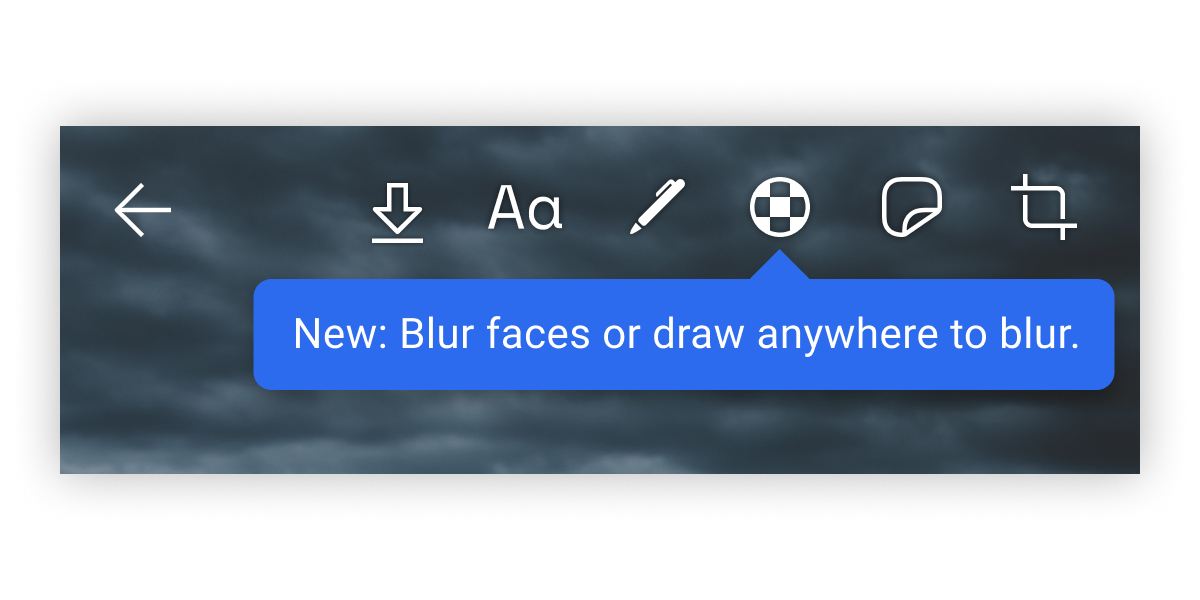
This week, Signal also added built-in face blurring for photos, to help better secure the sharing of sensitive information across its network.

Nextdoor and Neighbors by Ring

The civil unrest also impacted neighborhood networking app installs, as communities looked to share information about the protests with one another. Social networking app for neighbors Nextdoor was installed by 185,000 first-time users in the U.S. over the past week, an increase of 26% from 147,000 installs in the week prior. The app also jumped up nearly 50 places in the U.S. App Store rankings, moving from No. 2,014 to No. 156 in the top free iPhone apps chart.

Amazon-owned Neighbors by Ring, where neighbors share alerts, including security camera footage, was installed by 36,000 first-time users in the past week, an increase of 89% from its approximately 19,000 installs the week prior.

Twitter has a record-breaking week as users looked for news of protests and COVID-19
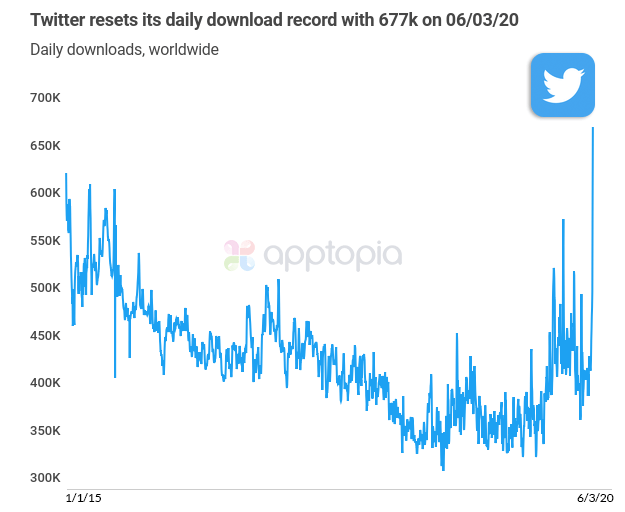
Civil unrest due to the nationwide George Floyd protests drove Twitter to see a record number of new installs this week, according to data from two app store intelligence firms, Apptopia and Sensor Tower. While the firms’ exact findings differed in terms of the total number of new downloads or when records were broken, the firms agreed that Twitter’s app had its largest-ever week, globally.

The app saw at least 677,000 installs at its highest point, Apptopia said. Sensor Tower said it topped 1 million. Twitter also broke a record for daily active users on Twitter in the U.S., when some 40 million people in the U.S. logged into the app on June 3, Apptopia noted. For comparison’s sake, Twitter reported its app had 31 million “monetizable” daily active users (mDAUs) in the U.S. in Q4 2019, which grew to 33 million in Q1 2020.

The spike in installs was attributed to the protests, which were being watched by a global audience, and COVID-19, which continued to spread in worldwide markets.

Apps turn their icons black in support of George Floyd protests 

A small handful of apps did the equivalent of the Instagram black square by turning their icons black this week as a gesture of support toward the protests and civil rights. Participating apps included Reddit, Joss & Main and Shop Avani, for instance. Moves like this can be criticized as being merely performative, but one of the companies involved — Reddit — later followed up with real action. Reddit co-founder Alexis Ohanion on Friday announced he was resigning as a member of the Reddit board, and is now urging them to fill his seat with a black candidate. He also said he would use his future gains from Reddit stock to serve the black community, starting with a $1 million pledge to Colin Kaepernick’s Know Your Rights Camp.

COVID-19 app updates and news


from RSSMix.com Mix ID 8176981 https://techcrunch.com/2020/06/06/this-week-in-apps-protests-impact-app-stores-ftc-fines-app-developer-kids-app-trends/
http://www.gadgetscompared.com
from Tumblr https://ikonografico.tumblr.com/post/620201512926396416
via http://www.gadgetscompared.com
Friday, June 5, 2020

PhotoRoom automagically removes background from your photo

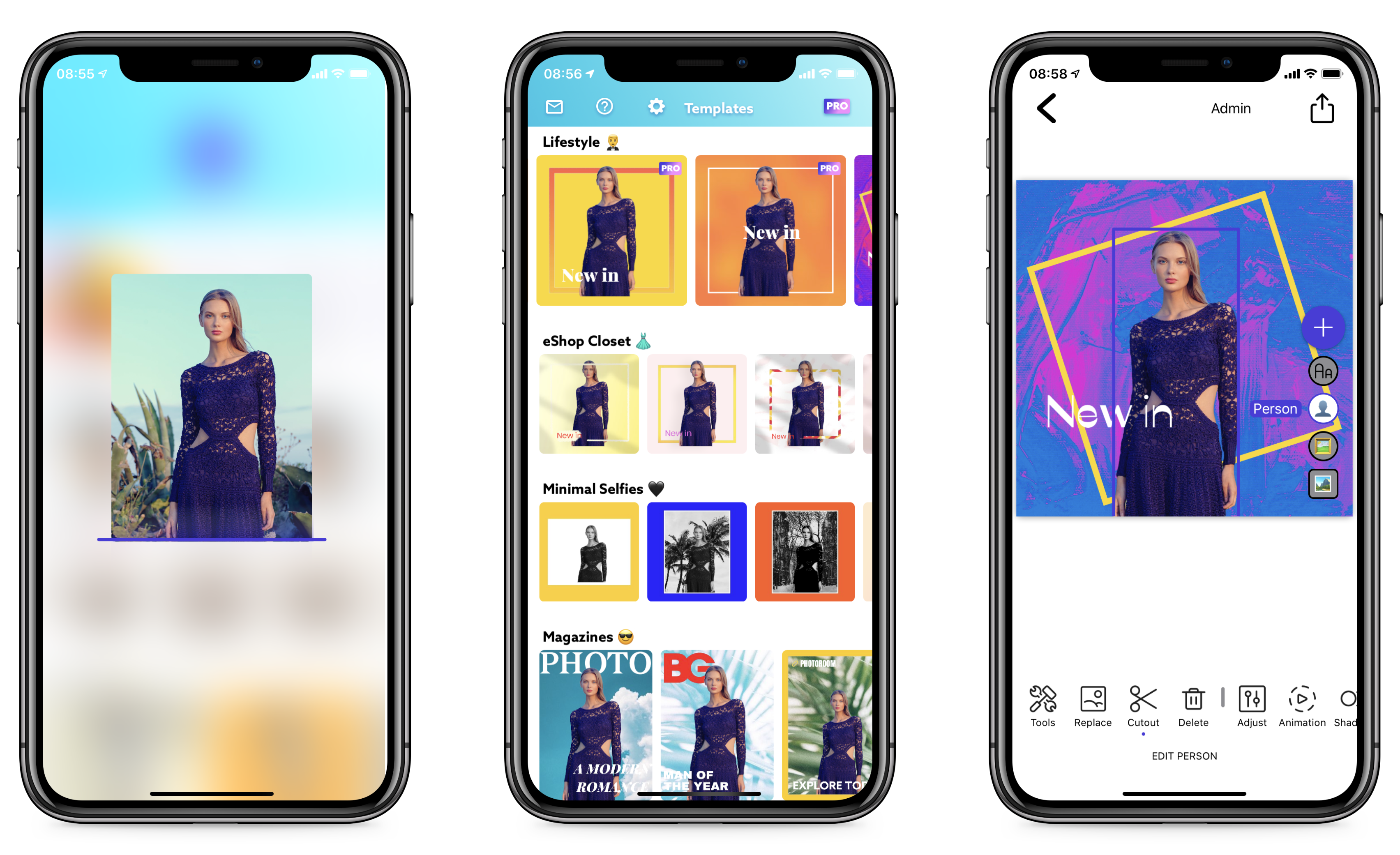
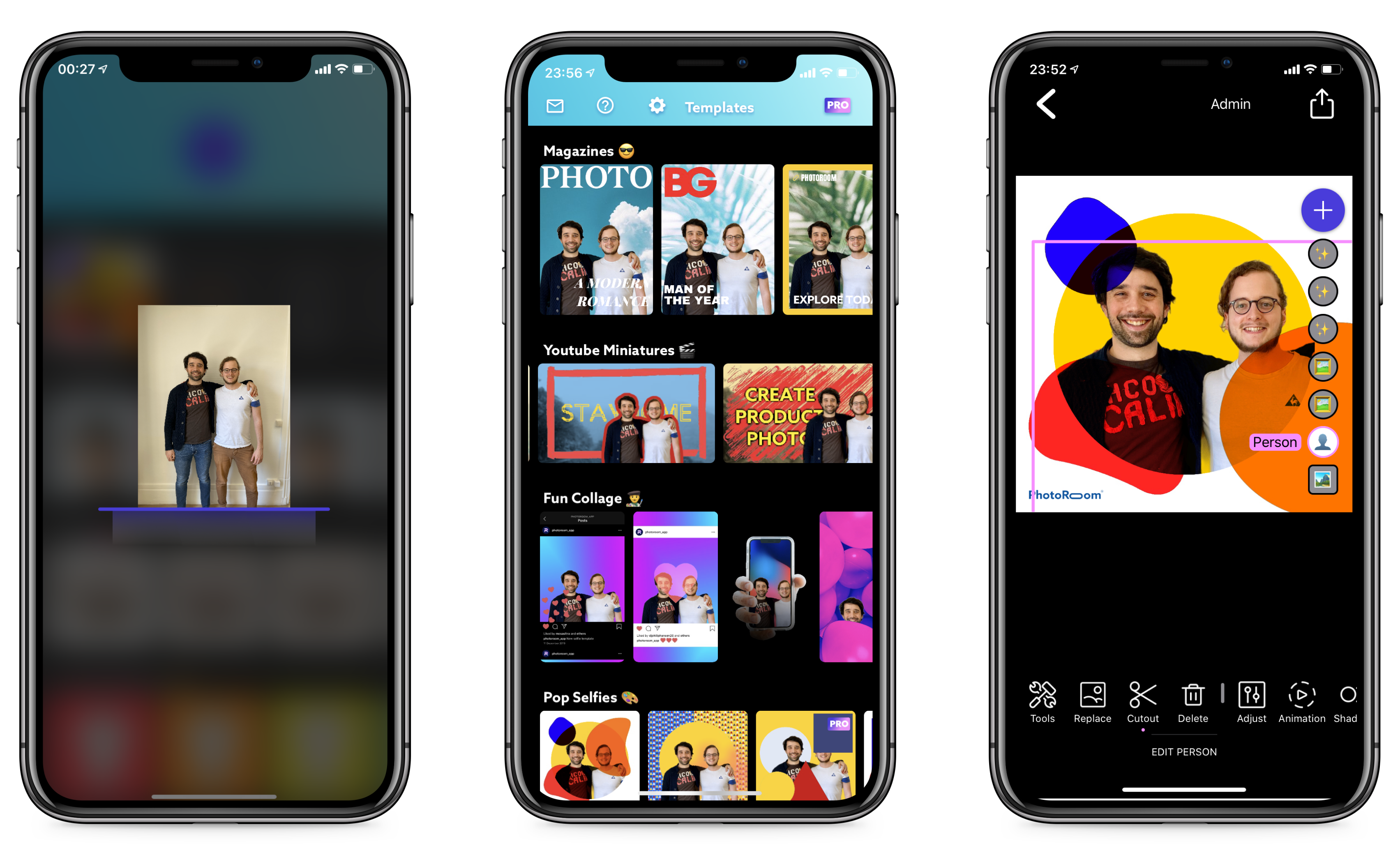
Meet PhotoRoom, a French startup that has been working on a utility photography mobile app. The concept is extremely simple, which is probably the reason why it has attracted a ton of downloads over the past few months.

After selecting a photo, PhotoRoom removes the background from that photo and lets you select another background. When you’re done tweaking your photo, you can save the photo and open it in another app.

“My original vision comes from my time when I was working at GoPro,” co-founder and CEO Matthieu Rouif told me. “I often had to remove the background from images and when the designer was out of office, I would spend a ton of time doing it manually.”

And it turns out many people have been looking for a simple app that lets them go in and out as quickly as possible with an edited photo in their camera roll.

For instance, people selling clothes and other items on peer-to-peer e-commerce platforms have been using PhotoRoom to improve their photos. PhotoRoom is often recommended in online discussions or YouTube tutorials about optimizing your Poshmark or Depop listings.

Downloads really started to take off around February. PhotoRoom now has 300,000 monthly active users. The app is only available on iOS for now. And if you’re a professional using it regularly, you can pay for a subscription ($9.49 per month or $46.99 per year) to remove the watermark and unlock more features.

“Subscriptions are what works best on mobile for photo and video apps,” Rouif said.

Behind the scene, PhotoRoom uses machine learning models to identify objects on a photo. And the vision goes beyond removing backgrounds.

Photoshop, the clear leader in photo editing, was designed decades ago. There’s a steep learning curve if you want to use it professionally. It’s hard to understand layers, layer masks, channels, etc.

PhotoRoom wants to build a mobile-first photo-editing app that doesn’t lazily borrow Photoshop’s metaphors and interface elements. “What would be Photoshop if you could understand what’s on the photo,” Rouif said.

While the app relies heavily on templates, you can tweak your images by adding objects, moving them around, adding some shadow and editing elements individually. Image composition is 100% up to the user.

Like VSCO, Darkroom, PicsArt, Filmic Pro and Halide, PhotoRoom belongs to a group of prosumer apps that are tackling photo and video editing from different ways. A generation of users who grew up using visual social networks are now pushing the limits of those apps — they look simple when you first use them, but they offer a ton of depth when you learn what you can do with them. And they prove that smartphones can be great computers, beyond content consumption.

Rouif was the head of product at Stupeflix, a powerful video editing app that was acquired by GoPro back in 2016. PhotoRoom is just getting started as there are only four people working on the app, including two interns.


from RSSMix.com Mix ID 8176981 https://techcrunch.com/2020/06/05/photoroom-automagically-removes-background-from-your-photo/
http://www.gadgetscompared.com
from Tumblr https://ikonografico.tumblr.com/post/620107149578846208
via http://www.gadgetscompared.com

Thursday, June 4, 2020

Signal now has built-in face blurring for photos

Apps like Signal are proving invaluable in these days of unrest, and anything we can do to simplify and secure the way we share sensitive information is welcome. To that end Signal has added the ability to blur faces in photos sent via the app, making it easy to protect someone’s identity without leaving any trace on other, less secure apps.

After noting Signal’s support of the protests occurring all over the world right now against police brutality, the company’s founder Moxie Marlinspike writes in a blog post that “We’ve also been working to figure out additional ways we can support everyone in the street right now. One immediate thing seems clear: 2020 is a pretty good year to cover your face.”

Fortunately there are perfectly good tools out there both to find faces in photographs and to blur imagery (presumably irreversibly, given Signal’s past attention to detail in these matters, but the company has not returned request for comment). Put them together and boom, a new feature that lets you blur all the faces in a photo with a single tap.

This is helpful for the many users of Signal who use it to send sensitive information, including photos where someone might rather not be identifiable. Normally one would blur the face in another photo editor app, which is simple enough but not necessarily secure. Some editing apps, for instance, host computation-intensive processes on cloud infrastructure and may retain a copy of a photo being edited there — and who knows what their privacy or law enforcement policy may be?

If it’s sensitive at all, it’s better to keep everything on your phone and in apps you trust. And Signal is among the few apps trusted by the justifiably paranoid.

All face detection and blurring takes place on your phone, Marlinspike wrote. But he warned that the face detection isn’t 100 percent reliable, so be ready to manually draw or expand blur regions in case someone isn’t detected.

The new feature should appear in the latest versions of the app as soon as those are approved by Google and Apple.

Lastly Marlinspike wrote that the company is planning “distributing versatile face coverings to the community free of charge”; the picture shows a neck gaiter like those sold for warmth and face protection. Something to look forward to, then.


from RSSMix.com Mix ID 8176981 https://techcrunch.com/2020/06/04/signal-now-has-built-in-face-blurring-for-photos/
http://www.gadgetscompared.com
from Tumblr https://ikonografico.tumblr.com/post/620039196185378816
via http://www.gadgetscompared.com