Wednesday, April 22, 2020

As more high-end smartphone makers explore budget devices, Motorola takes a shot at premium

As smartphone sales began to plateau and slow over the past couple of years, many device makers arrived at the same conclusion: people want cheaper phones. It’s clear why companies like Apple and Samsung took the message to heart, as the smartphone market downturn appeared to coincide with the standardization of $1,000 premium devices.

While Motorola is undoubtedly best known for its budget devices these days, the company is using the opportunity to take things in an entirely different direction. The Edge+ finds the company entering true premium territory with the arrival of its first $1,000 device. It’s an even more dramatic move than OnePlus’s recent release of the $899 8 Pro.

A mainstay in the budget and mid-tier, the Motorola name doesn’t exactly conjure images of premium products. The Lenovo-owned smartphone maker’s ventures in pricier models have tended more toward the gimmicky — or, at very least niche — with the warmly received modular Moto Z and the largely panned foldable Razr reboot.

The Edge+ is a more earnest approach to premium. The selling points are the camera, display and 5G — pretty standard fare these days in the world of premium handsets. For the first time in recent memory, Motorola is positioning itself to go head-to-head with the Samsungs and Apples of the world. 

Okay, so specs. There’s a 6.7-inch display with a 21:9 aspect ratio and 90Hz refresh rate. It’s curved on the sides — similar to what Samsung has been offering for a while now. And like Samsung, the company is using that extra narrow real estate to offer up things like notifications, call alerts, alarms and battery status. Basically stuff to offer a quick view without having to pick up the phones.

There’s a flagship-level Snapdragon 865 inside, coupled with a healthy 12GB of memory. Oh, and there’s 5G here, too, with access to both mmWave and sub-6GHz  bands. The company is also touting the quality of its speakers — one of the most overlooked aspects of smartphone hardware. I haven’t actually tried them out — or seen the phone in person yet. Social distancing and all that.

There are three rear-facing cameras, including a massive 108-megapixel main, which lets in a lot of light, an eight-megapixel telephoto and 16-megapixel ultra-wide angle. There’s no devoted macro camera, unlike other recent Motorola models, but the 16-megapixel should be able to do some close-up shots.

The Edge+ arrives May 14 as a Verizon exclusive (something Motorola has, unfortunately, done many times before) in the States and on a bunch more carriers in Canada. It will arrive in Europe in May, and other markets, including India and Latin America, at a latter date.

A lower-tiered Edge will be available with a downgraded processor and camera array, but the same display. That’s coming to Europe, Latin America and the Asia Pacific region, with U.S. availability arriving later. 


from RSSMix.com Mix ID 8176981 https://techcrunch.com/2020/04/22/as-more-high-end-smartphone-makers-explore-budget-devices-motorola-takes-another-shot-at-premium/
http://www.gadgetscompared.com
from Tumblr https://ikonografico.tumblr.com/post/616129180467331072
via http://www.gadgetscompared.com

Google adds a universal watchlist for movies and TV to Google Search

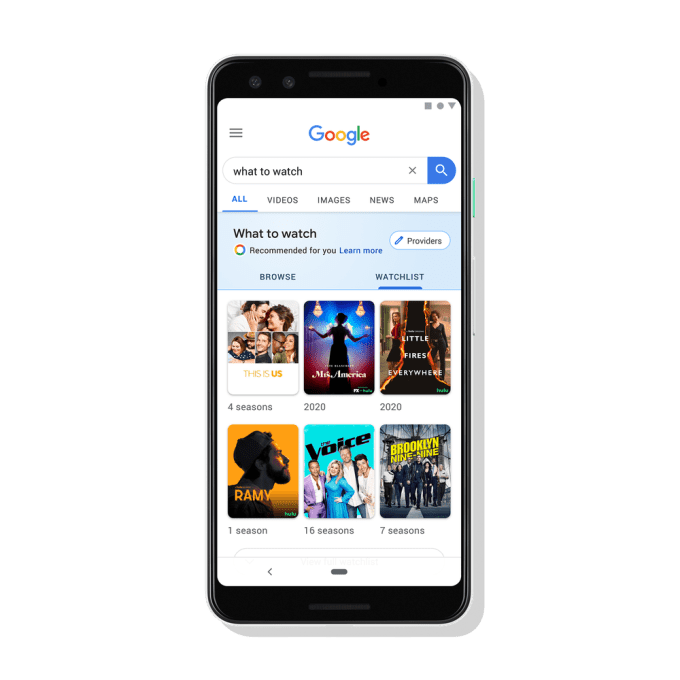
Google is adding a new feature to Search that will help you keep track of all the TV shows and movies you want to watch during these long weeks at home. The company had already been offering personalized TV and movie recommendations in Search, as of an update released last fall. Building out a watchlist with your top picks is the obvious next step.

To get started, mobile users can first search “what to watch” to get Google’s suggestions. The are organized at the top of the search results, and can be filtered by type (show or movie), by whether the content is free, by category (comedy, action, documentary, sitcom, kid-friendly, etc.), and by provider. Google also offers a rating experience where you train its algorithms on what sort of content you like and dislike.

For any movie or show you want to then add to your list, you just tap “Watchlist” in the preview window. (You can also tap “Watched” if it’s something you’ve already seen.

The new Watchlist is available as second tab at the top of this What to Watch section, and can be accessed any time you’re searching for something to buy, rent or stream. You can also search for “my watchlist” on Google or tap on “Collections” from within the Google app to access your list more quickly.

At launch, Google had said the TV and movies feature was designed to further the company’s larger goal of helping connect people with the information they need — it was not offering the data to advertisers. But by placing a regularly-used feature like this within Google, users will spend more time on Google’s platform which helps Google’s business.

While Google’s version of watchlist concept is handy for more casual users, a number of dedicated mobile apps offer an expanded experience and, at times, more accurate and more granular recommendations. For example, TV Time not just makes recommendations but also lets you check off which episodes you’ve watched from a series and participate in a mobile forum of sorts with other fans. Reelgood, Watchworthy, Taste, Bingeworthy, Likewise, itcher, Hai, and many other apps also offer show and movie suggestions to varying degrees of success.

Reelgood even recently launched a feature called Reelgood Remote which will instantly play the content you choose on your Roku device.

Google’s new Watchlist feature was one of several additions rolling out today focused on entertainment.

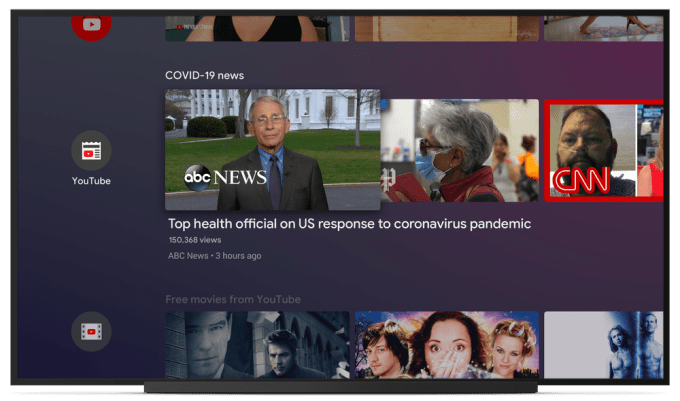
On Android TV devices, it also added three new home screen rows from YouTube, including COVID-19 News, Stay Home #WithMe, and free movies from YouTube. Android TV also gained more collections from Google Play while streaming apps are now organized under a row titled “Stream the shows and movies you love.”

Plus, on Google Play, the company introduced a collection of special deals, including offers on apps for movies, TV and comics, among other things. There are offers for game streaming service Stadia and subscription service Google Play Pass, as well.

The Google Watchlist feature is live now on mobile devices.


from RSSMix.com Mix ID 8176981 https://techcrunch.com/2020/04/22/google-adds-a-universal-watchlist-for-movies-and-tv-to-google-search/
http://www.gadgetscompared.com
from Tumblr https://ikonografico.tumblr.com/post/616121623948492800
via http://www.gadgetscompared.com

Spotify launches its promised fundraising feature for artists

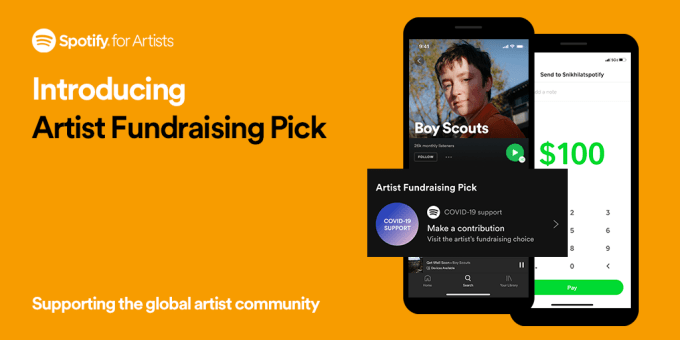
Last month, Spotify announced that as part of its coronavirus relief efforts it would soon add new fundraising features for artists on its platform. Today, the company is following through with the launch of “Artist Fundraising Pick,” a feature that allows artists to fundraise for themselves, their crews, or one of the verified music relief initiatives Spotify has already vetted through the Spotify COVID-19 Music Relief project.

At launch, Spotify is working with a small group of fundraising partners to make the donation process easier, including Cash App, GoFundMe, and PayPal.me.

Cash App is currently Spotify’s preferred method, as it has also established a $1 million relief effort for artists. When Spotify artists choose their “$cashtag” as their Artist Fundraising Pick and secure at least one donation of any size, they’ll receive an additional $100 in their account from Cash App up until a collective total of $1 million has been contributed. This works for artists in the U.S. and U.K., but Spotify users worldwide can donate through Cash App.

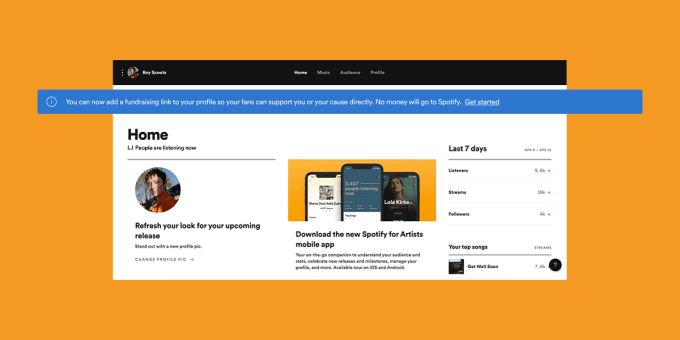
To use the new fundraising tools, artists (or Spotify for Artists admin users) will go to their Artist dashboard and click “Get started” on the banner at the top to submit their Fundraising Pick. This is a similar process as to how artists choose which track they want to display on their profile.

Once live, fans can donate to the cause through the artist’s profile. In addition to Cash App, PayPal is broadly available and GoFundMe is available in 19 markets.

If the artist chooses to raise for a music relief organization, they can select from those associated with Spotify’s existing charity project, which launched last month in partnership with MusiCares, PRS Foundation, and Help Musicians. It has now expanded to include a wider range of participating organizations, including several local options, and is continuing to grow.

At launch, a handful of artists already have the new feature live, including Tyrese Pope and Boy Scouts who are fundraising through Cash App; Marshmello who is fundraising for MusiCares; and Benjamin Ingrosso who is fundraising for Musikerforbundet.

Spotify says it moved to quickly launch this feature because it believed it was in a unique position to help artists raise money from a global network of fans. However, it cautions that it’s never built a fundraising feature like this before, and considers this a “first version.” Over time, the feature will likely evolve and update based on artist feedback.

“This is an incredibly difficult time for many Spotify users and people around the world — and there are many worthy causes to support at this time,” the company wrote in an announcement. “With this feature, we simply hope to enable those who have the interest and means to support artists in this time of great need, and to create another opportunity for our COVID-19 Music Relief partners to find the financial support they need to continue working in music and lift our industry,” it said.


from RSSMix.com Mix ID 8176981 https://techcrunch.com/2020/04/22/spotify-launches-its-promised-fundraising-feature-for-artists/
http://www.gadgetscompared.com
from Tumblr https://ikonografico.tumblr.com/post/616121622773088256
via http://www.gadgetscompared.com

Tuesday, April 21, 2020

Disruptor Beam relaunches as gaming infrastructure-maker Beamable

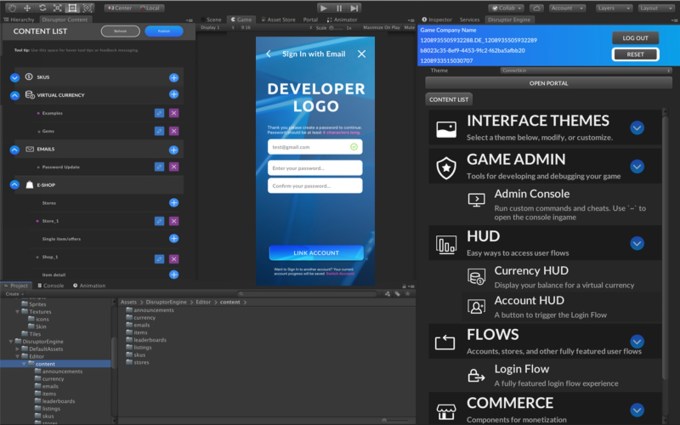
Disruptor Beam, the mobile gaming startup behind Star Trek Timelines, has a new name and a new business. It’s now calling itself Beamable, and it’s selling a set of tools to help game developers add commerce and social functionality to their titles.

The company’s direction became clear earlier this year when it sold Timelines to Tilting Point so that it could focus on its developer tools. Now Beamable is officially launching its Early Access program for games that are live, or that are scheduled to go live in the next 12 months.

CEO Jon Radoff told me that Disruptor Beam first built this technology for its own games — not just Timelines, but also Game of Thrones Ascent and Walking Dead: March to War.

Radoff suggested that there’s a real need for this as gaming continues shifting towards a “games as a service” model, where developers don’t just release a title and move on, but rather continue adding new features and content, while additional ways to make money from players.

Beamable screenshot

Image Credits: Beamable

The largest developers with the most popular games can support this approach, but he said, “For the next 5,000 games on the app stores, any of the things they’ve built are pretty primitive and they really need help.”

He added, “For these developers, 30% or 40% of their effort goes into making a cool game, and all the other money and time goes into things the player doesn’t really see — the store and the commerce … It’s kind of like a tax on their ongoing operation.”

With Beamable, on the other hand, developers can add take advantage of the infrastructure that the company has already built for in-game storefronts, merchandising, content management and social interactions. The platform also ties together the company’s backend infrastructure with the Unity 3D editor and the live gameplay experience.

“Other products we’ve investigated are just middleware,” said Tap Slots CEO Markus Weichselbaum in a statement. “Beamable is fully-integrated with Unity, including user interfaces that work in both the Unity 3D editor and game clients. This saves us massive amounts of time we’d otherwise spend in the guts of the technology and rediscovering best practices, instead of doing what we need to do: designing great games.”

In addition to selling Timelines, Disruptor Beam also shifted its business by shutting down Ascent and March to War, and it’s sold an unnamed, still-in-development title to East Side Games.

Beamable team

The Beamable team Image Credits: Beamable

Radoff suggested that when Disruptor Beam started, the market for licensed games tied to major entertainment franchises was still “the Wild, Wild West” providing “a tremendous opportunity” for startups to innovate. Now, however, it’s a “mature market” that’s dominated by larger developers.

Radoff also acknowledged that he spent much of 2019 “trying to figure out how to have my cake and eat it too” — in other words, how the company could turn the game platform into a business while continuing to develop games of its own.

“Ultimately, I concluded that game development is an obsession,” he said. “When you have a company in which any amount of game development is happening, no matter what you do, you’re always going to be obsessed with game development, and that obsession tends to push out your ability to create great technology or a great product for developers.”

Instead, Radoff decided to sell off the company’s games and try to build an organization (now operating remotely via Zoom, like everyone else) that’s equally obsessed with building a development platform — primarily for mobile games, but also for PC and console.


from RSSMix.com Mix ID 8176981 https://techcrunch.com/2020/04/21/disruptor-beam-beamable/
http://www.gadgetscompared.com
from Tumblr https://ikonografico.tumblr.com/post/616025000752889856
via http://www.gadgetscompared.com

Sonos launches Sonos Radio, a free streaming radio service including artist and genre stations

Sonos has launched its first in-house music streaming offering: Sonos Radio, a digital streaming radio service that includes both existing radio stations from TuneIn and iHeartRadio, as well as its own original programming through three new products including two ad-free offerings and one ad-supported option.

The original streaming options from Sonos include Sonos Sound System; an ad-free single station hosted by Sonos itself, that will play “new and well-known” music, along with snippets of stories from artists about their music, as well as hours guest-hosted by select artists themselves. Sonos says this is all about mixing crowd-pleasers with the occasional song you might’ve missed, in a bid to create a single stream that will have broad appeal.

There’s also Artist Stations, which also don’t have any ads, and which are hand-curated by artists and feature a selection of songs they love or that have inspired them. The first such station, debuting with the Sonos Radio launch, is Thom Yorke’s ‘In the Absence Thereof…’, and there are more to follow in the “coming weeks,” including stations from Brittany Howard of Alabama Shakes, David Byrne and more.

The final component of the original Sonos streaming content is Sonos Stations, which include over 30 dedicated genre stations. These are also free, but are ad-supported, so you’ll hear the occasional promotional message throughout the stream, kind of like you get with Spotify’s free tier.

To date, Sonos has acted strictly as an integrator for the services of others, operating the platform layer to provide in-house, multi-room streaming via its Sonos speaker and audio equipment products. This marks its first foray into doing something on the services side, so it’s a big change. I asked about whether this signals further moves into streaming, including through a potential paid premium offering with on-demand content, which would more directly compete with some of its biggest partners including Apple, Google and Spotify, and Sonos Product Marketing Director Ryan Richards didn’t shut the door on that possibility.

“This is about lean-back listening, it’s about discovery,” he said. “There are a lot of options for active listening out there, too, and so what we’re really focused on is first and foremost making the best possible radio service for our customers. In the future, we’ll see how that changes, but that’s what we’re focused on now.”

At launch, the global radio option backed by iHeartRadio and TuneIn will be available globally, but Sonos Radio’s original products will only be available in the U.S., Canada, the U.K., Ireland and Australia, with the company planning to expand availability in future. Its in-house offerings are powered by a deal with Napster to use their streaming catalog, and Richards told me that that arrangement also bounds the availability of the services. Sonos is working on signing up additional streaming licensing partners for an expanded geographic footprint and catalogue size, however.

The new Sonos Radio features won’t be compatible with voice control via either Google Assistant or Amazon’s Alexa on Sonos hardware that supports that at launch, though Richards says the company is looking at adding that as a future feature update. Sonos also acquired a startup that built its own smart voice assistant last November, so that could potentially still result in another in-house offering to lessen its reliance on partners at some point in the future.

To get access, anyone with a Sonos system should see the new offering in their Sonos app via a software update available today.


from RSSMix.com Mix ID 8176981 https://techcrunch.com/2020/04/21/sonos-launches-sonos-radio-a-free-streaming-radio-service-including-artist-and-genre-stations/
http://www.gadgetscompared.com
from Tumblr https://ikonografico.tumblr.com/post/616024999973765120
via http://www.gadgetscompared.com

Saturday, April 18, 2020

Clubhouse voice chat leads a wave of spontaneous social apps

Forget the calendar invite. Just jump into a conversation. That’s the idea powering a fresh batch of social startups poised to take advantage of our cleared schedules amidst quarantine. But they could also change the way we work and socialize long after COVID-19 by bringing the free-flowing, ad-hoc communication of parties and open office plans online. While “Live” has become synonymous with performative streaming, these new apps instead spread the limelight across several users as well as the task, game, or discussion at hand.
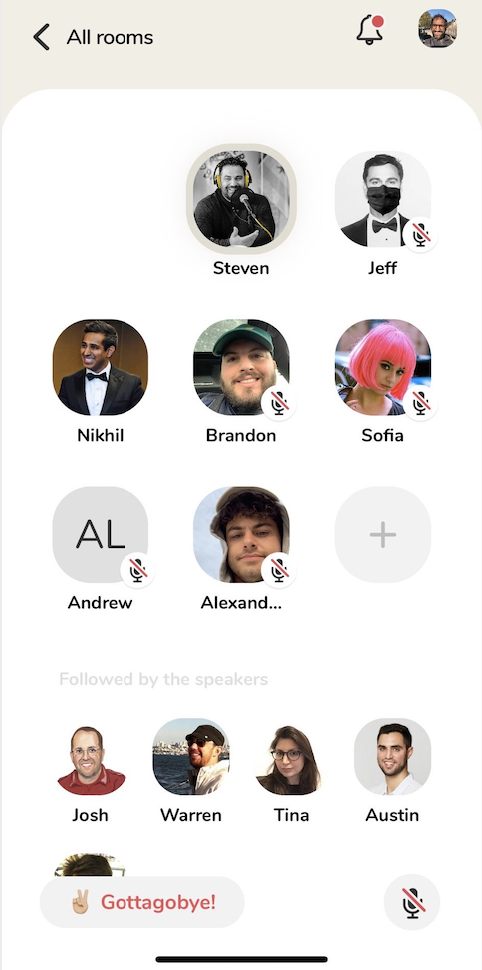
The most buzzy of these startups is Clubhouse, an audio-based social network where people can spontaneously jump into voice chat rooms together. You see the unlabeled rooms of all the people you follow, and you can join to talk or just listen along, milling around to find what interests you. High-energy rooms attract crowds while slower ones see participants slip out to join other chat circles.

Clubhouse blew up this weekend on VC Twitter as people scrambled for exclusive invites, humblebragged about their membership, or made fun of everyone’s FOMO. For now, there’s no public app or access. The name Clubhouse perfectly captures how people long to be part of the in-crowd.

Clubhouse was built by Paul Davison, who previously founded serendipitous offline people-meeting location app Highlight and reveal-your-whole-camera-roll app Shorts before his team was acquired by Pinterest in 2016. This year he debuted his Alpha Exploration Co startup studio and launched Talkshow for instantly broadcasting radio-style call-in shows. Spontaneity is the thread that ties Davison’s work together, whether its for making new friends, sharing your life, transmitting your thoughts, or having a discussion.

It’s very early days for Clubhouse. It doesn’t even have a website. There’s no telling exactly what it will be like if or when it officially launches, and Davison and his co-founder Rohan Seth declined to comment. But the positive reception shows a desire for a more immediate, multi-media approach to discussion that updates what Twitter did with text.

Sheltered From Surprise

What quarantine has revealed is that when you separate everyone, spontaneity is a big thing you miss. In your office, that could be having a random watercooler chat with a co-worker or commenting aloud about something funny you found on the internet. At a party, it could be wandering up to chat with group of people because you know one of them or overhear something interesting. That’s lacking while we’re stuck home since we’ve stigmatized randomly phoning a friend, differing to asynchronous text despite its lack of urgency.

Clubhouse founder Paul Davison. Image Credit: JD Lasica

Scheduled Zoom calls, utilitarian Slack threads, and endless email chains don’t capture the thrill of surprise or the joy of conversation that giddily revs up as people riff off each other’s ideas. But smart app developers are also realizing that spontaneity doesn’t mean constantly interrupting people’s life or workflow. They give people the power to decide when they are or aren’t available or signal that they’re not to be disturbed so they’re only thrust into social connection when they want it.

Houseparty chart ranks via AppAnnie

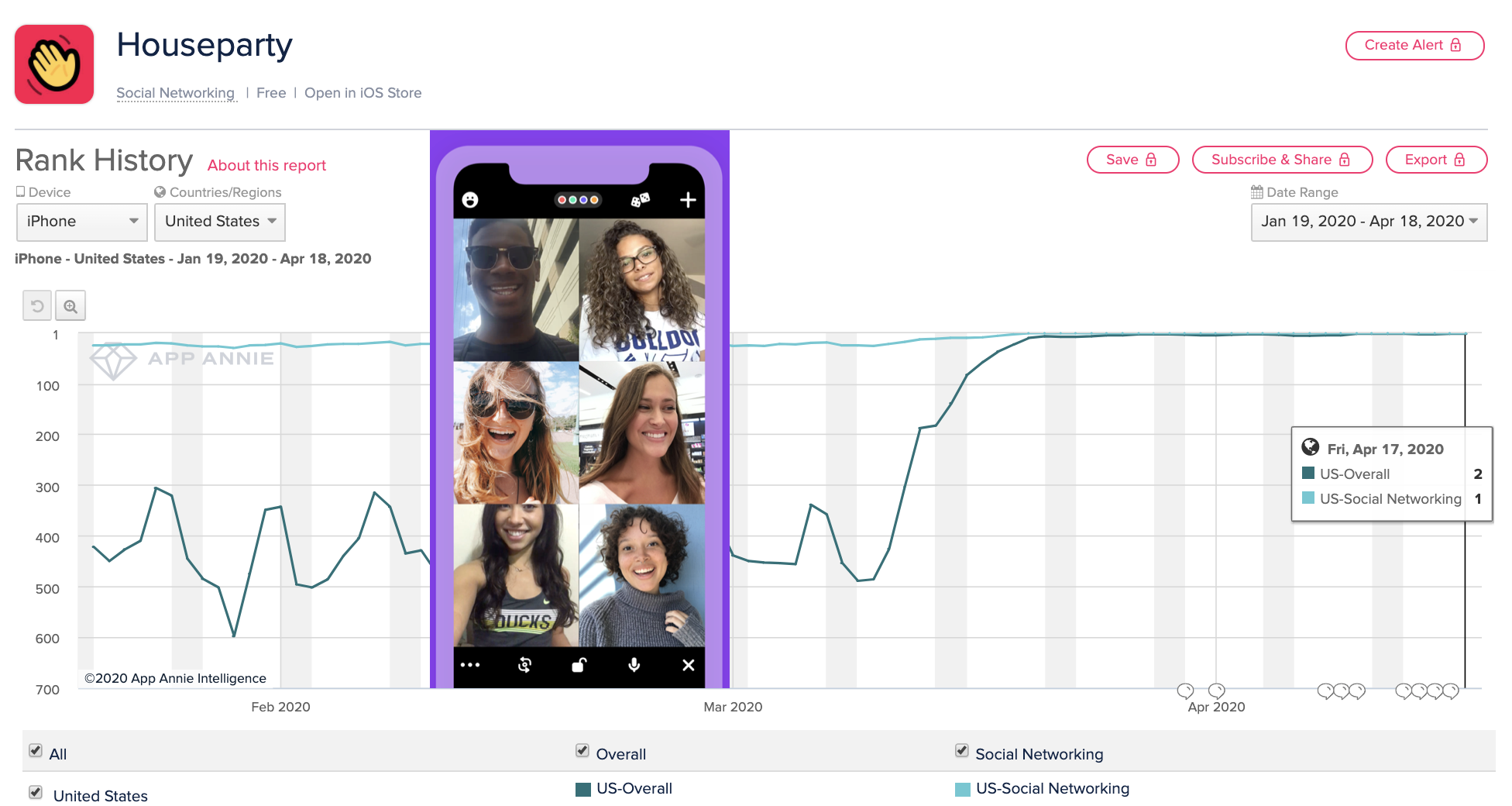
Houseparty embodies this spontaneity. It’s become the breakout hit of quarantine by letting people on a whim join group video chat rooms with friends the second they open the app. It saw 50 million downloads in a month, up 70X over its pre-COVID levels in some places. It’s become the #1 social app in 82 countries including the US, and #1 overall in 16 countries.

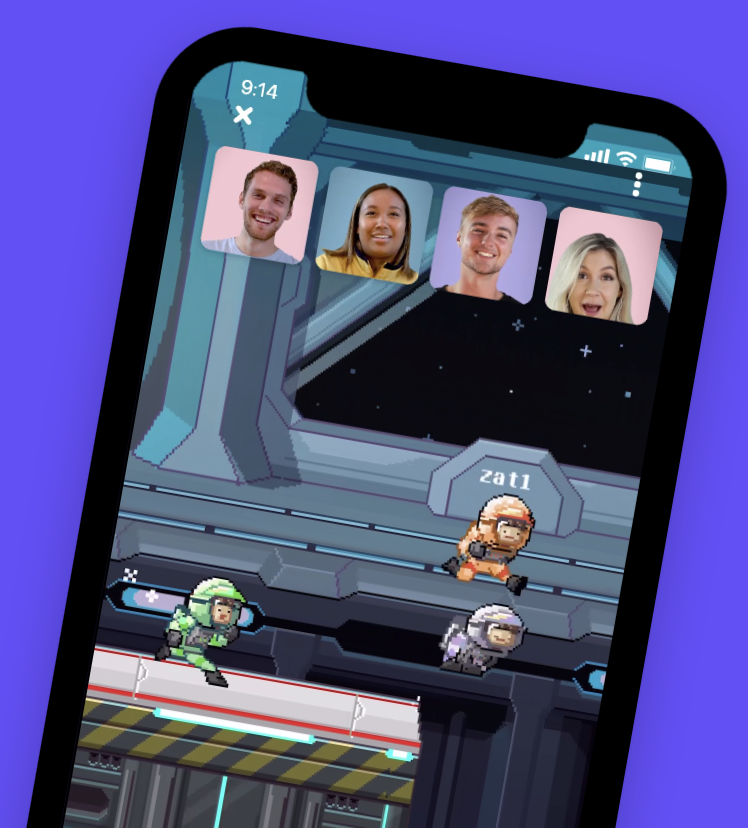
Originally built for gaming, Discord lets communities spontaneously connect through persistent video, voice, and chat rooms. It’s seen a 50% increase in US daily voice users with spikes in shelter-in-place early adopter states like California, New York, New Jersey, and Washington. Bunch, for video chat overlayed on mobile gaming, is also climbing the charts and going mainstream with its user base shifting to become majority female as they talk for 1.5 million minutes per day. Both apps make it easy to join up with pals and pick something to play together.
The Impromptu Office

Enterprise video chat tools are adapting to spontaneity as an alternative to heavy-handed, pre-meditated Zoom calls. There’s been a backlash as people realize they don’t get anything done by scheduling back-to-back video chats all day.

  • Loom lets you quickly record and send a video clip to co-workers that they can watch at their leisure, with back-and-forth conversation sped up because videos are uploaded as they’re shot.
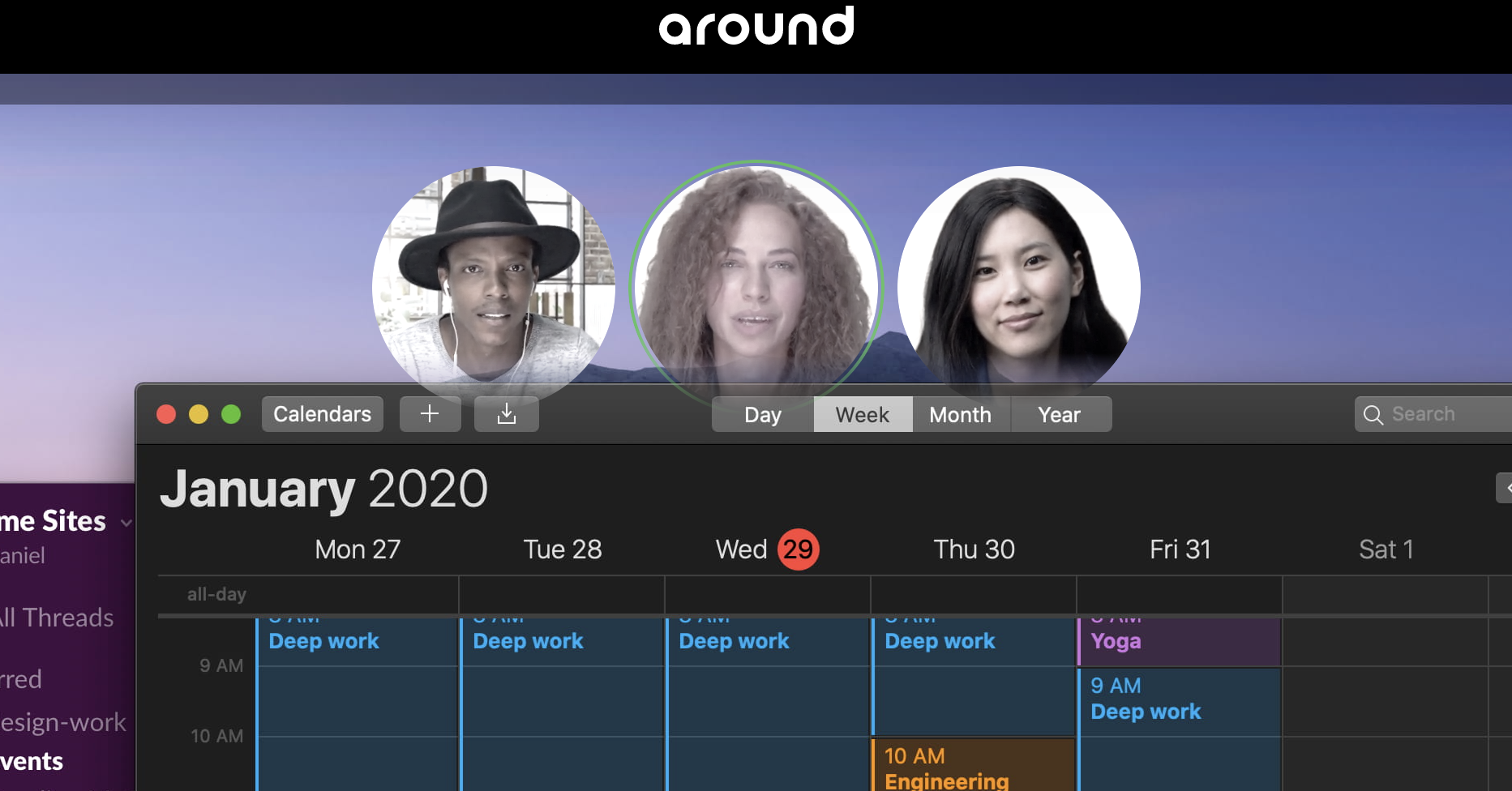
  • Around overlays small circular video windows atop your screen so you can instantly communicate with colleagues while most of your desktop stays focused on your actual work.
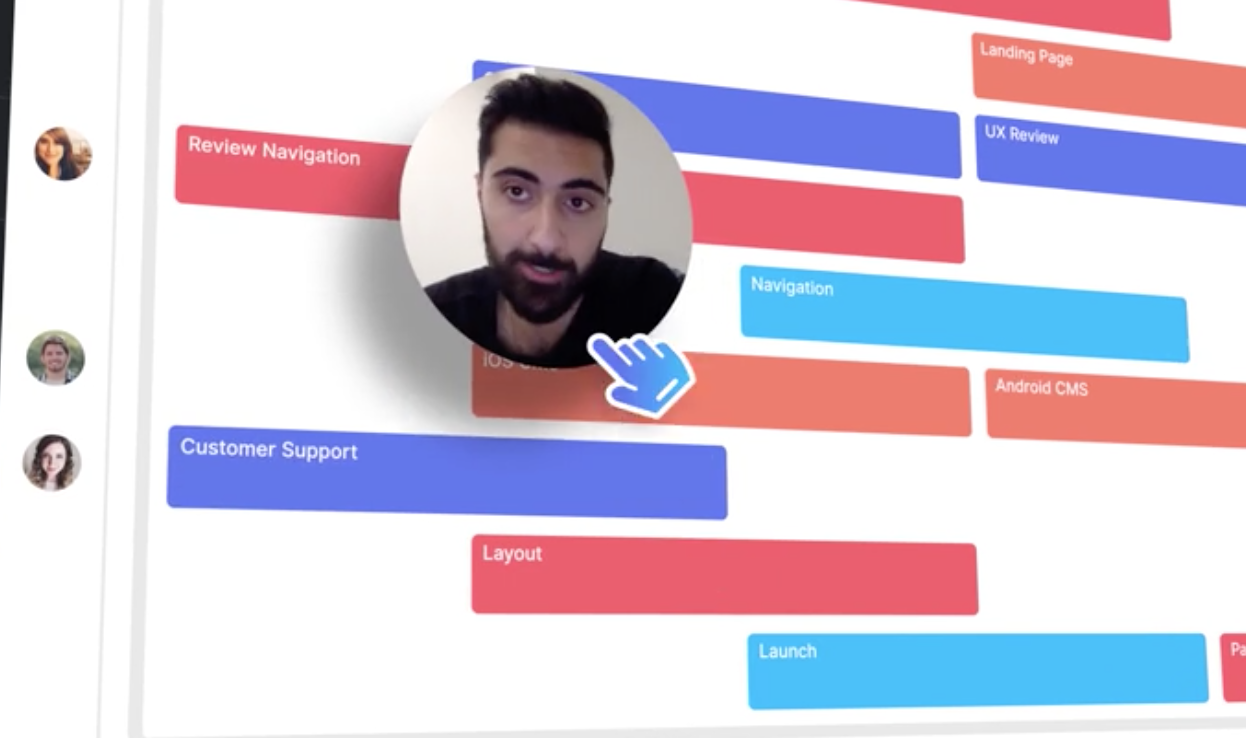
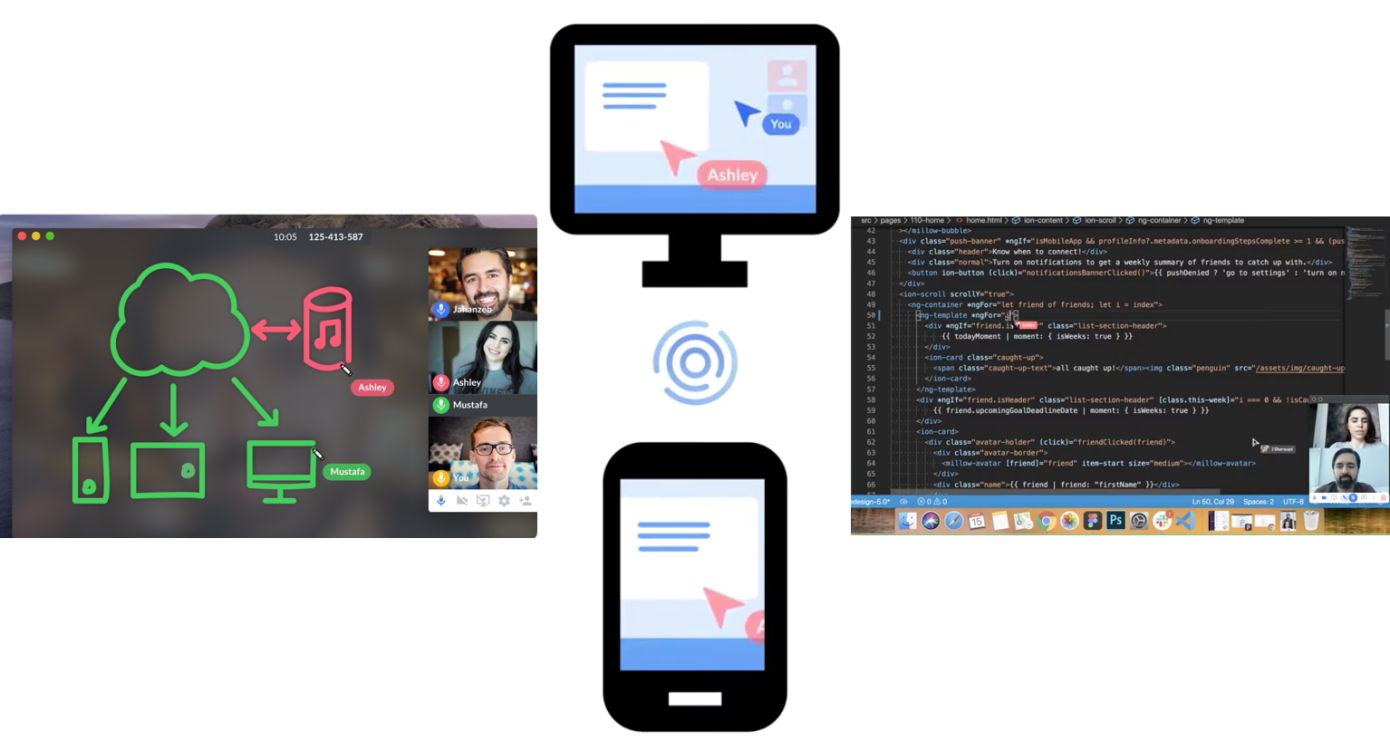
  • Screen exists as a tiny widget that can launch a collaborative screenshare where everyone gets a cursor to control the shared window so they can improvisationally code, design, write, and annotate.
Screen

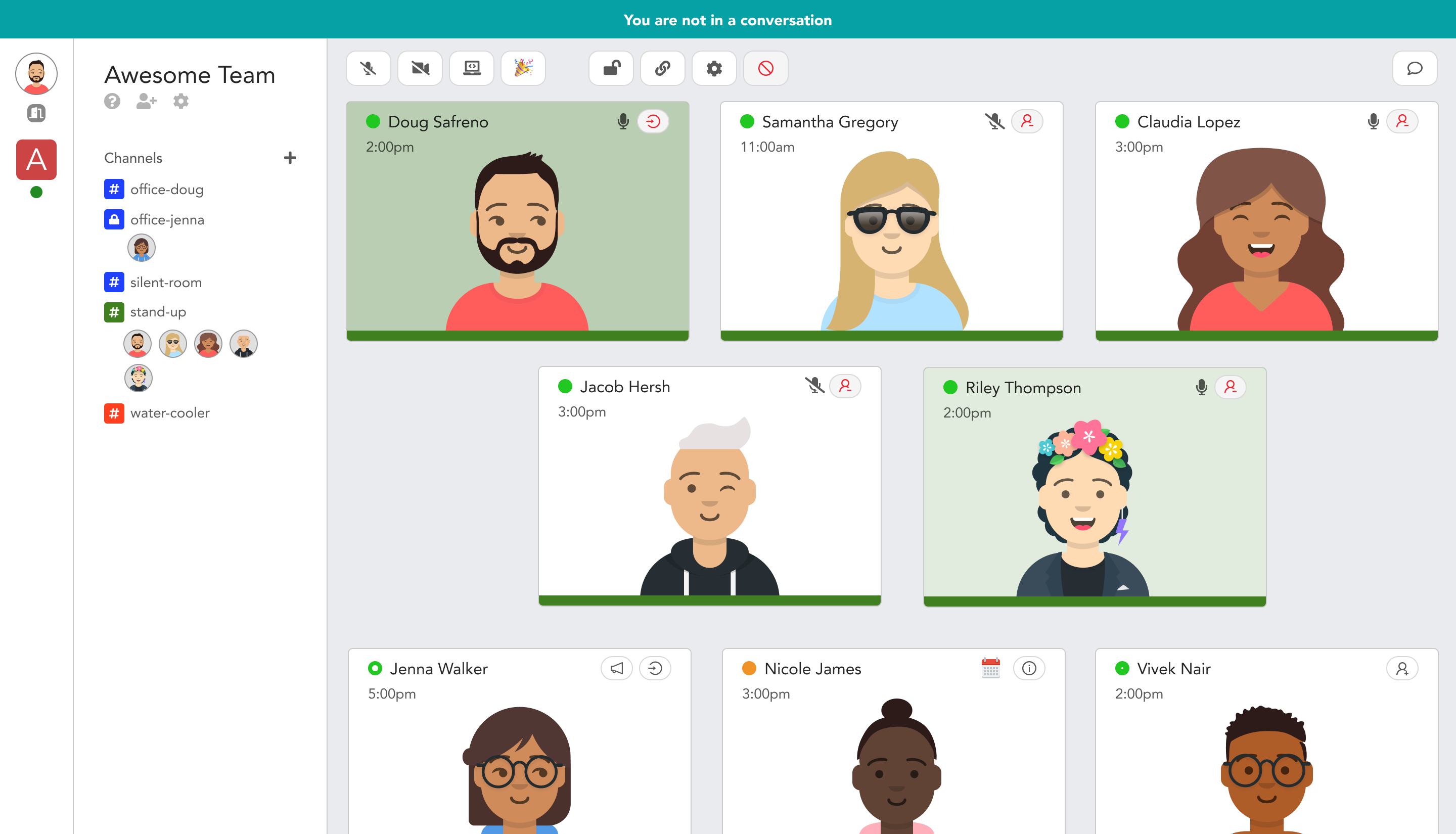
  • Pragli is an avatar-based virtual office where you can see if someone’s in a calendar meeting, away, or in flow listening to music so you know when to instantly open a voice or video chat channel together without having to purposefully find a time everyone’s free. But instead of following you home like Slack, Pragli lets you sign in and out of the virtual office to start and end your day.

Raising Our Voice

While visual communication has been the breakout feature of our mobile phones by allowing us to show where we are, shelter-in-place means we don’t have much to show. That’s expanded the opportunity for tools that take a less-is-more approach to spontaneous communication. Whether for remote partying or rapid problem solving, new apps beyond Clubhouse are incorporating voice rather than just video. Voice offers a way to rapidly exchange information and feel present together without dominating our workspace or attention, or forcing people into an uncomfortable spotlight.

High Fidelity is Second Life co-founder Philip Rosedale’s $72 million-funded current startup. After recently pivoting away from building a virtual reality co-working tool, High Fidelity has begun testing a voice and headphones-based online event platform and gathering place. The early beta lets users move their dot around a map and hear the voice of anyone close to them with spatial audio so voices get louder as you get closer to someone, and shift between your ears as you move past them. You can spontaneously approach and depart little clusters of dots to explore different conversations within earshot.

An unofficial mockup of High Fidelity’s early tests. Image Credits: DigitalGlobe (opens in a new window) / Getty Images

High Fidelity is currently using a satellite photo of Burning Man as its test map. It allows DJs to set up in different corners, and listeners to stroll between them or walk off with a friend to chat, similar to the real offline event. Since Burning Man was cancelled this year, High Fidelity could potentially be a candidate for holding the scheduled virtual version the organizers have promised.

Houseparty’s former CEO Ben Rubin and Skype GM of engineering Brian Meek are building a spontaneous teamwork tool called Slashtalk. Rubin sold Houseparty to Fortnite-maker Epic in mid-2019, but the gaming giant largely neglected the app until its recent quarantine-driven success. Rubin left.

His new startup’s site explains that “/talk is an anti-meeting tool for fast, decentralized conversations. We believe most meetings can be eliminated if the right people are connected at the right time to discuss the right topics, for just as long as necessary.” It lets people quickly jump into a voice or video chat to get something sorted without delaying until a calendared collab session.

Slashtalk co-founder Ben Rubin at TechCrunch Disrupt NY 2015

Whether for work or play, these spontaneous apps can conjure times from our more unstructured youth. Whether sifting through the cafeteria or school yard, seeing who else is at the mall, walking through halls of open doors in college dorms, or hanging at the student union or campus square, the pre-adult years offer many opportunities for impromptu social interation.

As we age and move into our separate homes, we literally erect walls that limit our ability to perceive the social cues that signal that someone’s available for unprompted communication. That’s spawned apps like Down To Lunch and Snapchat acquisition Zenly, and Facebook’s upcoming Messenger status feature designed to break through those barriers and make it feel less desperate to ask someone to hang out offline.

But while socializing or collaborating IRL requires transportation logistics and usually a plan, the new social apps discussed here bring us together instantly, thereby eliminating the need to schedule togetherness ahead of time. Gone too are the geographic limits restraining you to connect only with those within a reasonable commute. Digitally, you can pick from your whole network. And quarantines have further opened our options by emptying parts of our calendars.

Absent those frictions, what shines through is our intention. We can connect with who we want and accomplish what we want. Spontaneous apps open the channel so our impulsive human nature can shine through.


from RSSMix.com Mix ID 8176981 https://techcrunch.com/2020/04/18/clubhouse-app-chat-rooms/
http://www.gadgetscompared.com
from Tumblr https://ikonografico.tumblr.com/post/615795662762786816
via http://www.gadgetscompared.com

This Week in Apps: Layoffs at VSCO, Google Play’s new guidelines, TikTok rolls out parental controls

Welcome back to This Week in Apps, the Extra Crunch series that recaps the latest OS news, the applications they support and the money that flows through it all.

The app industry is as hot as ever, with a record 204 billion downloads in 2019 and $120 billion in consumer spending in 2019, according to App Annie’s “State of Mobile” annual report. People are now spending 3 hours and 40 minutes per day using apps, rivaling TV. Apps aren’t just a way to pass idle hours — they’re a big business. In 2019, mobile-first companies had a combined $544 billion valuation, 6.5x higher than those without a mobile focus.

In this Extra Crunch series, we help you keep up with the latest news from the world of apps, delivered on a weekly basis.

This week we’re continuing to look at how the coronavirus outbreak is impacting the world of mobile applications, including a dig into Houseparty’s big surge, layoffs at VSCO, Google’s launch of a “Teacher Reviewed” tag, Bumble’s virtual dating, plus changes to Instagram in support of small business and live streaming, among other things. Also this week, Google changed its Play Store guidelines, TikTok launched parental controls, a report suggested Apple may be expanding its Search Ads and more.

Coronavirus Special Coverage

Instagram adds features for supporting small businesses during pandemic


from RSSMix.com Mix ID 8176981 https://techcrunch.com/2020/04/18/this-week-in-apps-layoffs-at-vsco-google-plays-new-guidelines-tiktok-rolls-out-parental-controls/
http://www.gadgetscompared.com
from Tumblr https://ikonografico.tumblr.com/post/615761704680341504
via http://www.gadgetscompared.com